
Transforming Low Ceilings with Strategic Lighting Designs
In contemporary interior design, optimizing lighting for spaces with low ceilings presents a nuanced challenge that demands both technical expertise and aesthetic sensibility. Properly executed lighting can create an illusion of height, enhance spatial perception, and infuse the environment with warmth and functionality. This necessitates understanding the interplay between various lighting elements such as vanjske zidne svjetiljke (outdoor wall lights) and rasvjeta za kose stropove (rails ceiling lighting), which when combined thoughtfully, can dramatically elevate the spatial experience.
The Role of Layered Lighting in Low Ceilings
Layered lighting comprising ambient, task, and accent sources forms the cornerstone of effective illumination in low-ceiling environments. Employing skandinavski stil rasvjete (Scandinavian style lighting) with minimalistic vanjske visilice (outdoor pendants) can provide unobtrusive ambient light that visually elongates the ceiling. Integrating indoor lighting solutions tailored for low-height spaces is crucial to prevent a cramped feel while ensuring sufficient illumination for daily activities.
Innovative Use of Reflectors and Retro Styles for Spacious Effect
Reflectors or reflektori play a significant role in redirecting light, thereby enhancing brightness without increasing fixture size—a vital consideration for low ceilings. Additionally, trends in retro rasvjeta offer vintage-inspired fixtures that, due to their streamlined form, can be integrated without overwhelming the space. The strategic placement of stupne svjetiljke (step lights) and outdoor wall lights can also delineate zones and add depth.
Balancing Form and Function in Ceiling Hill Optimization
Addressing the challenge of rasvjeta za kose stropove (cove ceiling lighting) involves selecting fixtures that are proportionate, unobtrusive, yet capable of providing adequate luminance. For instance, rasvjeta za kupaonicu (bathroom lighting) must be carefully layered with wall sconces to avoid shadows and sharp contrasts that accentuate the ceiling’s proximity. Employing LED-based solutions with adjustable settings ensures flexibility and ambiance control.
Expert Strategies to Prevent Harsh Shadows and Enhance Depth
One of the manifold issues in low-ceiling spaces is the formation of harsh shadows, which can diminish the perception of space. The key lies in proper rasvjeta za kose stropove (cove lighting) complemented by well-positioned wall luminaires to diffuse light evenly across surfaces. Incorporating skandinavski stil rasvjete with matte finishes and warm color temperatures can soften illumination and foster a cozy atmosphere without sacrificing spatial clarity.
What Are the Most Effective Techniques for Achieving Uniform Lighting in Low Ceilings?
Achieving uniform lighting involves meticulous planning of fixture placement, height, and light temperature. Using reflektori to bounce light and integrating smart lighting controls allows for dynamic adjustment, ensuring no area remains underlit or overly shadowed. Combining layered sources with contrasting color temperatures can also add depth and dimension, vital for spatial aesthetic in low-height environments.
For nuanced insights and innovative lighting executions, consult industry-specific publications such as the Journal of Interior Lighting Design or specialized white papers from reputable energy-efficient technology providers.
If you’re seeking more advanced techniques or wish to contribute your professional insights, explore our expert community dedicated to lighting innovation.
Poticanje Vizualne Iluzije uz Pristupačnu Rasvjetu
Pri odabiru rasvjete za prostore s niskim stropovima, ključno je osigurati ravnotežu između funkcionalnosti i estetike. Korištenje LED traka ukrasnog svjetla, primjerice, omogućava kreiranje mekanog i ravnomjernog svjetla bez stvaranja osjećaja zatvorenosti. Posebnu pažnju valja posvetiti upotrebi reflektora i retro rasveta, jer njihova sposobnost da usmjere i rasprše svjetlo može dramatično povećati dojam visine prostora.
Transformacija Ugrađenih Svjetlosnih Rješenja za Niske Stropove
Ugradni LED profili i skandinavski minimalizam omogućavaju diskretno, ali učinkovito osvjetljenje. Kada je riječ o izboru unutarnje rasvjete za niske stropove, preporučuje se usko fokusiranje na širinu i razinu visine rasvjetnih tijela, izbjegavajući neproporcionalne velikane koji bi narušili kontinuitet prostora.
Inovacije u Korištenju Svjetlosnih Zraka i Dovratnih Glava
Stavljanje reflektora i adjustable spotlights na pravim mjestima može stvoriti dimenzionalni efekt koji prevladava osjećaj zatvorenosti. Također, korištenje tehnologija poput pametnih sustava upravljanja rasvjetom omogućava dinamičko prilagođavanje intenziteta i boje svjetla prema doba dana i potrebama prostora. Naposljetku, uvod u biofilične elemente u rasvetu može uljepšati ambijent te istovremeno stimulirati osjećaj otvorenosti.
Praktične Strategije za Precizno Pozicioniranje Svjetla
Ključno je razmotriti visinu postavljanja rasvjetnih tijela i njihovu daljinu od zidova. Na primjer, skrivanje kabela i visilica smanjuje vizualni nered i doprinosi senzualnom dojmu prostranosti. Postavljanje stupnih svjetiljki duž hodnika ili ulaznih prostora može dodatno istaknuti njegovu funkcionalnost, dok osvetljenje koje imitiraju prirodni sunčev sjaj potiče osjećaj otvorenosti i svježine.
Harnessing the Power of Verticality Through Light Projection
One sophisticated approach to transforming low-ceiling environments involves the strategic use of light projection techniques that simulate greater height. Utilizing wall-mounted fixtures with adjustable beam angles, combined with the subtle play of shadows and gradients, creates an illusion of depth and openness. For example, wall grazing with narrow-beam LED luminaires directed along vertical surfaces accentuates texture, drawing the eye upward and subtly elevating perceived space. This method requires meticulous calculations of light spill and intensity to avoid overstimulation or visual clutter. Experts recommend integrating digital lighting control systems that can dynamically adapt patterns and intensities, aligning with daily lighting needs and enhancing spatial fluidity.
What innovative control systems can optimize layered lighting for dynamic spatial perception?
Advanced lighting control technology, such as DMX or DALI systems, offers unparalleled flexibility for managing layered lighting setups. These systems enable precise zonal control, timing schedules, and scene configurations that react to occupancy or natural light levels. For instance, programmable scenes can simulate natural daylight progression, reducing visual fatigue and fostering a sense of expansiveness even during low light conditions. Incorporating sensors that adjust luminance based on activity or ambient light not only conserves energy but also maintains optimal illumination, reinforcing the perception of height and space without visual interference.
Integrating Smart Materials and Light-Responsive Surfaces
The frontier of low ceiling illumination explores the realm of smart materials—surface finishes embedded with luminescent or light-reactive elements. These innovations allow walls and ceilings to serve as diffuse light sources, creating a soft, uniform glow that minimizes shadows and reduces the need for multiple fixtures. High-performance photoluminescent paints or films can be charged by ambient or artificial light, then emit gentle illumination during darker hours, subtly transforming room perception. This approach demands a comprehensive understanding of material properties, light wavelength interactions, and energy management to ensure durability and safety. Studies, such as those published in Advanced Optical Materials, demonstrate the potential commanding visual effects and energy efficiency achievable with these materials.
Color Temperature’s Influence on Spatial Perception
Deepening the understanding of how color temperature impacts perceived space, experts recognize that warmer tones (2700K–3000K) introduce a cozy, intimate atmosphere but can subtly compress space perception. Conversely, cooler temperatures (4000K–6500K) produce a more clinical, expansive feel, enhancing the sensation of height and openness. The deliberate mix of color temperatures within layered lighting schemes allows designers to manipulate spatial perceptions dynamically, tailoring ambiance to function while maintaining visual clarity. Recent advancements in tunable LED technologies facilitate seamless transitions between these temperatures, opening avenues for temporal and mood-based spatial illusions.
Incorporating Architectural Accents with Light to Define Space
Beyond functional illumination, lighting can be employed as an artful tool to delineate architectural features, even in low-ceiling spaces. Carefully crafted cove lighting, when combined with reflective surfaces and indirect light sources, accentuates curvature and contour, drawing attention away from the ceiling’s proximity. Wall niches, built-in shelves, and soffits equipped with integrated LED strips can create visual focal points, redirecting focus and creating layers of depth. Mastering these techniques often involves precise planning of light placement relative to architectural elements, ensuring that illumination complements structural design rather than competes with it.
Embracing Sustainability and Human-Centric Lighting in Low Spaces
Finally, integrating sustainable practices and human-centric lighting principles ensures that low-ceiling environments support occupant well-being alongside aesthetic goals. Natural light simulation through tunable white LEDs, circadian rhythm-aligned schedules, and energy-efficient fixtures contribute to healthier, more vibrant spaces. According to research published in the Journal of Lighting Research and Technology, such approaches significantly enhance visual comfort and productivity. For professionals seeking to push the boundaries of conventional design, exploring intelligent lighting ecosystems opens a realm of possibilities where innovation meets holistic environmental psychology, fostering luminous environments that feel both expansive and intimately tailored.
Leveraging Architectural Integration to Redefine Spatial Limits
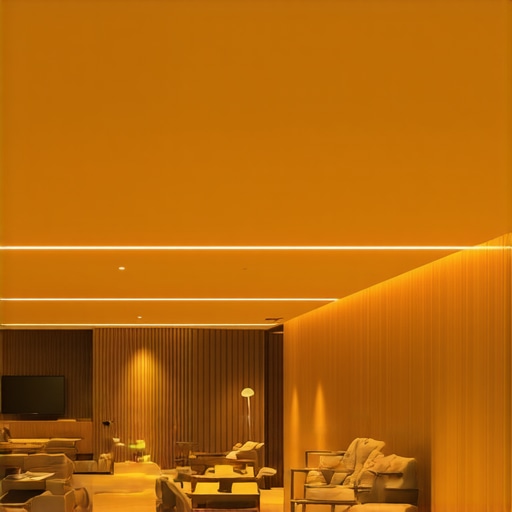
The subtle art of blending lighting with architectural nuances transforms confined environments into visually expansive realms. Incorporating recessed lighting within bespoke ceiling coffers or utilizing integrated wall light channels that harmonize with molding details not only conceals fixtures but amplifies perceived height. Such practices demand precision in mathematical planning and a profound understanding of material interactions, posing an intricate challenge for seasoned designers aiming to craft spaces that defy their physical constraints.
How Can Digital Light Mapping Revolutionize Low Ceilings?
Adopting digital light mapping techniques enables the previsualization and dynamic adjustment of luminance and shadow play within confined spaces. This technological leap allows architects and lighting specialists to simulate complex scenarios, optimizing fixture placement and color gradation before physical implementation. Such innovations elevate lighting design from static solutions to living, adaptive ecosystems that respond to occupant behavior and time of day, offering an unparalleled level of control for expert practitioners.
Harnessing Biophilic Elements in Low-Height Settings for Holistic Harmony
Embedding natural elements through light-responsive surfaces or integrating living wall systems illuminated by specialized tunables enhances both psychological well-being and spatial illusion. The symbiotic relationship between lighting and biophilic design fosters environments that feel open, calming, and intrinsically connected to nature, even within the confinements of low-ceiling interiors. Achieving this balance necessitates a refined understanding of how spectral quality influences human emotion and perception.
What Are the Risks of Over-Illumination in Compact Areas?
While strategic lighting can expand perceptions, excessive or poorly distributed luminance risks creating visual fatigue and clutter, counteracting spatial rejuvenation efforts. Experts advocate for a minimalist yet layered approach utilizing dimmed accent lights and visual ergonomics principles to preserve harmony. This entails meticulous calibration of intensity levels and spectral composition, ensuring that illumination enhances, rather than compromises, spatial clarity and emotional comfort.
Innovative Use of Indirect Illumination to Evoke Vertical Movement
Employing indirect lighting strategies, such as concealed cove fixtures or wall-washing techniques, creates a vertical emphasis that guides viewers’ gaze upward. This technique effectively extends the vertical dimension, imparting a sense of grandeur without physically altering the space. When combined with reflective surfaces or light-diffusing panels, it fosters an environment where light gracefully dances across surfaces, stimulating perceptions of height and depth that transcend physical limitations.
Integrating Adaptive Lighting Control Systems for Responsive Design
Advanced lighting control systems with occupancy sensors, circadian rhythm modules, and remote programming enable real-time customization, ensuring optimal illumination tailored to activity, mood, and natural light variations. For professionals committed to cutting-edge design, employing these systems offers a pathway to create reactive environments that dynamically enhance spatial perception, elevate user experience, and optimize energy consumption—all within the constraints of low-ceiling environments.
Kako inteligentna tehnologija redefinira dizajn rasvjete
Primjena naprednih sustava upravljanja rasvjetom omogućava kreiranje prilagodljivih scenarija koji se automatski prilagođavaju doba dana ili željenom ugođaju. Integracija DMX ili DALI sistema s prostorima omogućava precizno upravljanje, optimizirajući funkcionalnost i estetiku, istovremeno smanjujući potrošnju energije.
Kako digitalno mapiranje rasvjete omogućava savršenu ravnotežu
Koristeći digitalne alate za mapiranje, arhitekti i dizajneri mogu unaprijed vizualizirati svjetlosne scenarije, eksperimentirajući s položajem, intenzitetom i bojom. Ova tehnologija osigurava da svaka svjetiljka doprinose prostoru na optimalan način, stvarajući iluziju visine i dubine čak i u najskromnijim stropovima.
Zašto obogaćivanje prostora prirodnim svjetlom ostaje vrhunski izazov
Iako umjetna rasvjeta može dramatično promijeniti dojam prostora, integracija prirodnog svjetla kroz dizajn prozora ili svjetlosnih tunela ostaje ključan faktor. Slojevitost i kontrola nad količinom i temperaturom svjetla omogućavaju realističnije dočaravanje veličine i visine.
Resursi koji će vas odvesti korak dalje
– Vodič za izbor unutarnje rasvjete pruža detaljne smjernice za optimalan odabir svjetiljki u prostoru s niskim stropovima.
– Odabir LED traka i profila nudi praktične savjete za skrivanje kabela i postavljanje efektnih rasvjetnih traka.
– Trendovi u visećim svjetiljkama otkrivaju inovacije u dizajnu koje proporcionalno dopunjavaju niske stropove, istovremeno dodajući karakter prostoru.
Što se krije iza kreativnosti rasvjete
Integracija arhitektonskih elemenata s osvjetljenjem, poput ugradbenih LED profila ili svjetlosnih kanala, može vizualno produžiti vertikalnu dimenziju prostorije. Ove strategije zahtijevaju duboko razumijevanje strukture i materijala, osiguravajući sinergiju između tehnologije i dizajna.
Razmišljajte izvan okvira, kombinirajući tehnologije, boje i oblike za postizanje ambijenta koji prevladava ograničenja niskih stropova. Expert insights, poput ovih, omogućavaju vam da oblikujete prostore koji su istovremeno funkcionalni, estetski impresivni i tehnološki napredni.