
Mastering Lighting Hierarchies to Elevate Spatial Perception
In the realm of contemporary lighting architecture, the strategic layering of different fixtures, such as visilice and skulpturalna rasvjeta, is crucial for creating depth and ambiance. Implementing a hierarchy that balances general and accent lighting ensures functional clarity while enhancing aesthetic appeal. For instance, integrating kupajonska rasvjeta bez sjena in bathroom environments minimizes shadows and facilitates tasks.
Innovative Utilization of Solar and Smart Lighting Technologies
Emerging trends toward pametna rasvjeta and solarni vanjski sustavi reflect a paradigm shift focusing on energy efficiency and user interaction. By leveraging IoT-enabled fixtures, designers can manipulate lighting scenes remotely, aligning with sustainability goals and user preferences. Referencing studies such as the one published by the Journal of Sustainable Lighting, the integration of smart systems significantly reduces energy consumption while maintaining luminous quality.
Achieving Visual Harmony with Sculptural and Statement Fixtures
Incorporating skulpturalna rasvjeta plays a pivotal role in defining the character of a space, turning lighting elements into art forms. When selecting such pieces, consider their size and placement in relation to ostali fixtures like moderne lampe to prevent visual overload. The goal is to create a harmonious composition that amplifies both function and form.
Design Challenges in Balancing Ambient and Task Lighting
How Can Designers Ensure Functional Light Layers Without Visual Clutter?
Achieving this balance demands a nuanced understanding of rasvjeta za predsoblje and rasvjeta za staze positioning. Strategic placement of velike visilice and podne lampe can orchestrate a seamless transition between activity zones, avoiding conflicts that cause glare or shadows. The integration of LED tehnologije facilitates adaptable lighting schemes responsive to user needs.
Interested in expert insights on deploying layered lighting schemes? Explore our comprehensive resources or contribute your experiences to advance the field.
Harnessing Dynamic Lightscapes to Define Your Space
One of the most sophisticated approaches in modern interior design is the creation of dynamic lightscapes that adapt to different functions and moods. By combining zidne and podne lampe, designers craft versatile environments that transition seamlessly from work to relaxation. Incorporating adjustable fixtures allows the lighting to respond to time of day or activity, enriching the spatial experience and elevating the overall ambiance.
Integrating Human-Centric and Circadian Lighting for Wellness
The latest trend emphasizes not just aesthetic appeal but also occupant well-being through human-centric rasvjeta. This approach considers biology and circadian rhythms, tailoring light temperature and intensity to support natural cycles. Implementing such systems requires a nuanced understanding of human-centric lighting principles and sophisticated control strategies. Research from the U.S. Department of Energy supports the role of circadian lighting in enhancing sleep quality and overall health, prompting designers to prioritize these solutions in residential and commercial settings.
Unleashing Artistic Expression with Sculptural and Installational Lighting
Moving beyond functional fixtures, skulpturalna rasvjeta becomes an integral part of interior storytelling. Large, statement pieces or innovative modern lamps serve as focal points that capture attention and define aesthetic themes. Carefully considering the balance between form and function prevents overshadowing other elements, resulting in a cohesive yet striking visual narrative.
What Is the Future of Adaptive Lighting Systems in Smart Homes?
Could Intelligent Lighting Transform the Way We Experience Our Living Spaces?
As smart home technology evolves, adaptive lighting systems that learn user preferences and automatically adjust are becoming increasingly prevalent. These innovations ensure optimal lighting conditions while conserving energy, aligning with global sustainability goals. Integrating sensors and AI-driven controls enables real-time responses to occupancy, daylight availability, and activity patterns. According to a comprehensive review by the Journal of Sustainable Lighting, such intelligent systems contribute significantly to energy savings and improved user comfort, signaling a shift toward truly personalized lighting environments.
If you’re eager to implement these advancements, consider exploring detailed guides on energy-efficient smart lighting solutions designed to mesh seamlessly with your interior vision. Engaging with industry experts can provide tailored strategies to optimize your space’s illumination and ambiance.
Precision in Light Distribution: Balancing Form and Function
Achieving impeccable light distribution within intricate architectural spaces requires a nuanced understanding of photometric principles. By employing high-precision rasvjeta za predsoblje and rasvjeta za staze, designers can craft layered schemes that mitigate glare while accentuating structural features. The interplay of direct and indirect lighting must be meticulously calculated, often utilizing advanced software like Dialux to simulate luminance levels. Such precise planning ensures that each fixture contributes to a cohesive visual narrative without overwhelming the viewer.
Harnessing the Power of Tunable White Light for Dynamic Environments
The advent of tunable white (TW) lighting technology has revolutionized interior ambiance management. By adjusting correlated color temperature (CCT) in real-time, spaces can mimic Circadian rhythms, shifting from energizing blue-enriched light during the day to warm, calming tones at night. Implementing TW fixtures in conjunction with advanced control systems provides a bespoke user experience, fostering productivity and relaxation. As documented in a study published in the Journal of Light & Visual Environment bySchaefer et al. (2018), such tailored lighting significantly influences psychological well-being and circadian synchronization, especially in residential and healthcare settings.
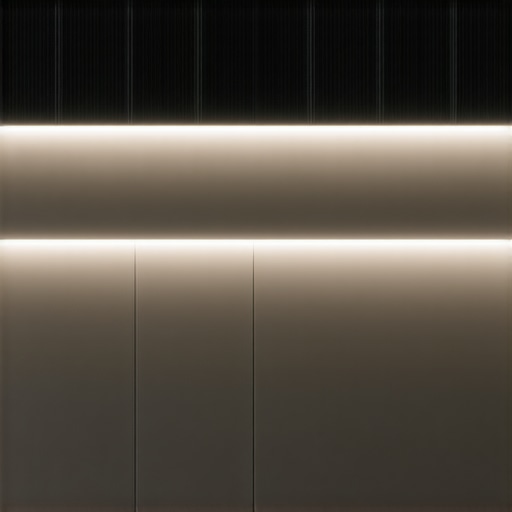
Visual representation of tunable white lighting in a modern office space, demonstrating seamless CCT transitions throughout the day.
Innovative Integration of Light Sculptures for Environmental Enrichment
Beyond mere illumination, skulpturalna rasvjeta engages the senses by transforming lighting fixtures into immersive art installations. Consider multi-dimensional light sculptures crafted from advanced materials like OLED panels or fiber optics that respond dynamically to environmental stimuli—sound, movement, or user interaction. Such installations redefine spatial narratives, elevating spaces from utilitarian to experiential. Incorporating these elements demands not only artistic vision but a sophisticated understanding of material science and control systems, aligning with the principles outlined by renowned design studios like Design Museum Berlin.
Surpassing Conventional Techniques: The Rise of Multisensory Lighting Experiences
Emerging at the frontier of interior design is multisensory lighting—combining visual, auditory, and tactile elements to create holistic atmospheres. Using velike visilice synchronized with ambient soundscapes and responsive surfaces, designers craft environments that elicit emotional resonance and physical comfort. For instance, integrating tactile feedback devices that change texture or temperature in harmony with lighting cues can deepen spatial immersion. This synthesis of senses resembles neuroarchitectural approaches detailed in research from the Neuroarchitecture Society, emphasizing the importance of multisensory stimuli in promoting well-being and cognitive engagement.
The Future’s Bright: Harnessing AI for Personalized Lightscapes
Can Artificial Intelligence Lead to Truly Adaptive Living Environments?
Artificial intelligence (AI) is poised to redefine lighting design by enabling real-time analysis of user behaviors and environmental parameters. When integrated with IoT-enabled fixtures, AI-driven systems can learn individual preferences, adjusting luminance, color, and dynamics proactively. This personalization not only enhances comfort but also optimizes energy consumption in accordance with usage patterns. A comprehensive review in the IEEE Transactions on Industrial Informatics highlights the potential of AI to create intelligent, responsive lighting ecosystems capable of transforming domestic and commercial spaces into adaptive habitats. To explore practical implementation strategies, industry professionals are encouraged to consult emerging frameworks outlined in open-source robotics and automation platforms, fostering innovation at the intersection of design and technology.
Illuminating Architecture in Layers That Speak Volumes
Beyond the conventional, sophisticated lighting schemes harness the power of layered illumination—combining ambient, task, and accent lighting to craft immersive spatial narratives. Employing visilice for primary ambient light, complemented by sculptural fixtures, results in a visual hierarchy that guides perception and emphasizes architectural features. Incorporating kupajonska rasvjeta bez sjena in specific zones further refines the clarity, minimizing shadows and enhancing functionality within complex environments.
The Future of Light Control Transcends Manual Adjustment
The advent of artificial intelligence (AI) and machine learning in lighting systems is transforming the landscape of adaptive illumination. These intelligent networks analyze user behavior, natural light ingress, and environmental factors to dynamically modulate brightness, hue, and even spectral composition, ensuring an optimal ambiance at all times. For example, adjusting pametna rasvjeta in real-time to mimic natural circadian rhythms benefits health and productivity, as affirmed by extensive research from the IEEE Transactions on Industrial Informatics.
How Can Industry Professionals Leverage AI to Elevate Lighting Design?
Integrating AI-driven controls requires not only technological expertise but also a nuanced understanding of user interaction patterns and environmental data management. Developers can utilize advanced algorithms to personalize lighting profiles, reducing energy waste and enhancing occupant satisfaction. To stay at the forefront, professionals should examine emerging frameworks in automation platforms and consider bespoke solutions tailored to diverse architectural contexts. Engage with markers of excellence such as the Design Museum Berlin for inspiration on integrating innovation seamlessly into aesthetic narratives.
Art in Luminescence: Sculptural Fixtures as Visual Statements
Transforming fixtures from utilitarian objects into artful expressions involves meticulous attention to materiality and context. Modern skulpturalna rasvjeta employs OLED and fiber optic technologies to craft installations that respond dynamically, creating multisensory experiences. For instance, an installation that reacts to sound or movement can serve as both lighting and a focal art piece, enriching the environment’s emotional resonance. The design principles stem from pioneering approaches documented by leading art-tech collaborations such as the Design Museum Berlin.
Reimagining Lightscapes With Multi-sensory Symphony
Bridging the gap between visual and experiential design, multi-sensory lighting integrates multisensory stimuli—light, sound, tactile feedback—to evoke specific emotional states or memories. For example, synchronized visual and auditory cues in a space utilizing velike visilice fused with ambient soundscapes can elicit feelings of calm or inspiration, making spaces memorable and psychologically impactful. This approach aligns with neuroarchitectural strategies outlined by the Neuroarchitecture Society.
Personalized Environments Through Tunable White Innovation
The transition from static lighting to tunable white (TW) fixtures marks a paradigm shift toward personalized environmental control. By enabling precise CCT adjustments, spaces can emulate natural daylight cycles, supporting human circadian rhythms and enhancing well-being. Implementing these systems requires sophisticated control algorithms as detailed in the Schaefer et al. study. Such adaptability not only boosts aesthetic versatility but also promotes healthier living and working environments.
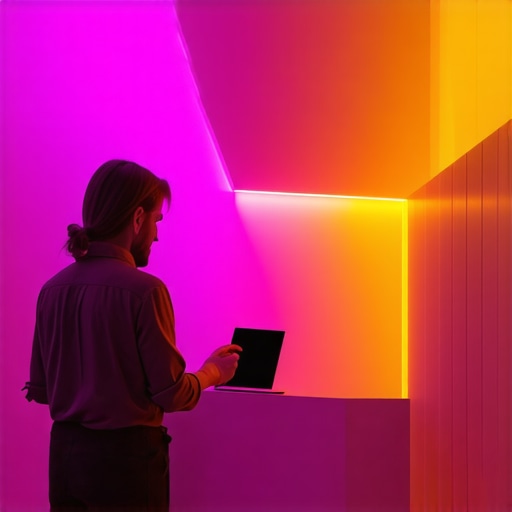
Close-up of tunable white lighting panels adjusting in a modern office, illustrating seamless spectral shifts for circadian alignment.
Merging Artistic Vision With Technological Precision
In the pursuit of elevated interior spaces, the integration of advanced materials—OLEDs, fiber optics, and responsive surfaces—creates immersive lighting environments that transcend traditional boundaries. For example, multi-layered light sculptures respond to environmental stimuli, transforming static fixtures into living artworks, thereby forging a dialogue between space and spectator. This convergence of art and science demands expertise in both material science and control systems, exemplified by collaborations with design studios like Design Museum Berlin.
Challenging Norms Through Multi-sensory Engagement
Emerging trends advocate for environments that engage multiple senses simultaneously, fostering emotional and cognitive engagement. Utilizing velike visilice synchronized with soundscapes and tactile interfaces—such as responsive surfaces—differentiates spaces by depth and dynamism. Rooted in neuroarchitectural principles, these multi-sensory experiences aim to support mental health and prioritize occupant well-being, challenging conventional design paradigms and inspiring holistic spatial narratives.
Looking Into the Horizon of Intelligent Illumination
Will AI-Enhanced Lighting Redefine Residential Comfort?
As AI continues to evolve, its integration into home lighting systems signifies a quantum leap in personalized comfort and energy efficiency. Predictive algorithms learn daily routines, adjusting lighting schemes preemptively, and creating environments that cater to individual preferences and circadian needs. For industry leaders, understanding the intricacies of sensor data analytics and user behavior modeling is critical. The insights presented in the IEEE reports showcase how these intelligent systems foster sustainable, responsive living spaces, heralding a future where our environments adapt intuitively to us—an evolution from passive fixtures to proactive partners in our daily lives.
In the ever-evolving world of interior illumination, those who master layered lighting understand that a nuanced approach elevates both function and aesthetic. Moving beyond conventional designs, integrating innovative technologies like human-centric and solar lighting offers not only energy savings but also enhances occupant well-being. Sculptural fixtures transition from mere sources of light to artistic statements, fostering emotional connections within a space. Embracing adaptive, AI-powered systems promises a future where environments respond intuitively to our needs, blurring the line between architecture and living organism. To stay at the forefront of these developments, professionals should explore authoritative resources such as the Top 10 Outdoor Wall Light Fixtures for 2025, or delve into cutting-edge trends documented by industry thought leaders. Ultimately, harnessing sophisticated lighting not only transforms spaces but also redefines our experience within them. Engage with expert communities or contribute your insights to shape the future of lighting design—because advancing the art demands collective expertise.