
Privlačnost prirodnih materijala u urbanim ambijentima visokih stropova
U modernom interijeru, posebno u prostorima s visokim stropovima, izbor rasvjete postaje ključni element estetske i funkcionalne interpretacije prostora. Lusteri od ratana, poznati po svojoj toploj teksturi i ekološkoj prihvatljivosti, predstavljaju intrigantnu opciju za unošenje prirodnih elemenata u sofisticirane unutarnje aranžmane. Ovi masivni modeli za 2026. godinu osmišljeni su s namjerom da zadovolje zahtjeve najzahtjevnijih dizajnera i entuzijasta prirodnih materijala.
Inovativni elementi dizajna i tehnološke prilagodbe
Četiri odabrana modela lusteri od ratana kombiniraju tradicionalnu ručnu izradu s najnovijim tehnološkim rješenjima. Uključivanje LED tračnica i inteligentnih prekidača omogućava ne samo vizualni dojam elegancije već i sadržajnu prilagodbu svjetlosti u skladu s potrebama prostora. Usporedno s trendovima u skandinavskoj rasveti, ovi modeli odražavaju minimalističku estetiku sa snažnim naglaskom na prirodni izgled i dugotrajnost.
Kako optimalno integrirati ratanske lustere u velike stropne prostore
Analitičari ističu važnost pažljivog odabira dimenzija i postavljanja kako bi se istakla visina prostora i spriječile vizualne disbalanse. Pored toga, pravilan odabir rasvjetnih izvora i njihova ugradnja u skladu s postojećom arhitekturom omogućava da lusteri od ratana ne budu tek dekoracija već i funkcionalni centar svjetlosne izvedbe. U praksi to znači korištenje difuznih LED izvora i postavljanje na visini od najmanje 1,5 metara od poda, što garantira ravnomjerno osvjetljenje.
Koje izazove donosi kombiniranje tradicionalnog i modernog u rasvjeti
Unatoč prednostima, integracija masivnih ratanskih lustera u ambijente s visokim stropovima izaziva neke tehničke i stilističke dileme. Neki stručnjaci ističu da preveliki, masivni modeli mogu dominirati prostorom, narušavajući sklad i proporcionalnost. S druge strane, inovacije u materijalima i konstrukciji omogućavaju laganije i otpornije dizajne, čime se otvaraju nove mogućnosti za kreativno korištenje.
Koji su glavni izazovi u kombiniranju prirodnih materijala s naprednim rasvjetnim tehnologijama?
Razmatranje pitanja poput kompatibilnosti LED tehnologije s prirodnim teksturama te održivosti materijala predstavlja ključne korake prema funkcionalnom i estetski skladnom rješenju. Za dodatne uvide o stručnim praksama u dizajnu rasvjete, posjetite stručni vodič o utjecaju Art Nouveau rasvjete.
Eksperti ističu važnost sinergije između tradicionalne estetike i moderne tehnologije, što omogućava postizanje nadstandardnih rezultata. Za one koji žele proširiti svoje znanje, preporučujemo istraživanje najnovijih trendova u područjima poput skandinavske rasvjete ili industrijskog dizajna.
Poziv na akciju: Razmislite o personaliziranim rješenjima koja ujedinjuju prirodne materijale i pametne tehnologije, te doprinesite razvoju sofisticiranih estetskih i funkcionalnih elemenata.
Challenging the Boundaries: Can Tradition Meet the Future?
One of the most compelling questions facing interior lighting design today is whether the timeless appeal of natural materials like rattan can harmoniously coexist with cutting-edge LED technology. Combining these elements requires a nuanced understanding of both traditional craftsmanship and modern engineering principles. By integrating LED strips with organic textures, designers can achieve a warm, inviting ambiance without compromising energy efficiency. This fusion not only elevates aesthetics but also aligns with sustainable practices, reflecting a broader shift towards eco-conscious interior solutions. To explore how such integrations are revolutionizing contemporary spaces, visit this expert guide on Art Nouveau influence on modern interiors.
Advanced Strategies for Hybrid Lighting Designs
Implementing a successful blend of natural materials and technological innovations involves strategic planning. Layered lighting schemes, where diffused LED sources complement organic fixtures, create depth and versatility in any environment. For instance, embedding dimmable LED modules within wooden or rattan fixtures allows for adaptable lighting levels, enhancing both functionality and mood. Moreover, selecting materials with high thermal stability ensures longevity and safety, especially when paired with electronic components. This approach echoes the principles outlined in a comprehensive guide on choosing the right LED lighting for your home, emphasizing the importance of material compatibility and user-centric design.
What are the limitations and opportunities of digital customization in natural-material lighting fixtures?
Leverage modern smart lighting systems to customize your natural-material fixtures dynamically. By integrating IoT technology, users can control color temperatures, adjust brightness, and even synchronize lighting with circadian rhythms, enriching the sensory experience. Such innovations open new horizons for personalized ambiance creation, although they also pose challenges related to durability and technological integration within organic textures. Understanding these nuances is critical for designers aiming to balance tradition and innovation effectively. For insights into cutting-edge smart lighting systems, explore this elegant guide on crystal chandeliers for luxurious interiors.
Engaging with these evolving trends enables interior spaces to transcend conventional aesthetics, fostering environments that are both beautiful and technologically sophisticated. To inspire your projects, consider exploring collaborations that focus on custom-crafted organic fixtures fitted with smart controls, thereby pushing the boundaries of traditional design.
Call to action: Share your experiences with integrating natural materials and smart lighting or suggest further readings to deepen this innovative approach to interior illumination.
Mastering Light Distribution in Architecturally Grand Spaces
Transforming expansive rooms with high ceilings demands a strategic approach to lighting that balances aesthetics with functionality. One effective method involves layering multiple light sources to create a harmonious ambiance; ambient, accent, and task lighting work together to highlight architectural features while providing practical illumination. For example, adjustable track lighting can emphasize artwork or structural elements, while hidden LED strips can wash walls with soft glow, preventing the space from feeling cavernous. Skilled integration of these layers ensures a welcoming environment that complements the grandeur without overwhelming it.
Can intelligent lighting systems adapt seamlessly to high-ceilinged environments?
Yes, advancements in smart lighting technology have revolutionized how we manage illumination in large spaces. Automated systems equipped with sensors and programmable controls can dynamically adjust brightness, color temperature, and even directional focus based on occupancy, natural light levels, or time of day. According to a comprehensive review by Lighting Design Journal, integrating AI-driven controls enhances energy efficiency while maintaining aesthetic integrity. These systems require careful planning to ensure reliable signal transmission across vast areas, often employing mesh networks or centralized hubs to synchronize multiple fixtures effortlessly.
For those seeking a detailed roadmap to implement such solutions, exploring professional consultation is highly recommended. Embracing intelligent lighting not only elevates the visual experience but also introduces a new layer of adaptability that was previously unattainable in traditional setups.
Incorporating Natural Light as a Design Element
High ceilings often come with large windows or skylights that, if properly utilized, can significantly reduce energy consumption and enhance the interior atmosphere. Strategic placement of glass panels and reflective surfaces helps diffuse daylight ubiquitously, minimizing shadows and glare. Using high-performance glazing materials that regulate solar gain ensures comfort year-round, accommodating seasonal variations. Architects and interior designers leverage daylight modeling software—such as Radiance or Dialux—to simulate natural light flow and optimize interior layouts accordingly. This proactive approach creates spaces that feel alive, connected to the environment outside, and less reliant on artificial lighting during daytime hours.
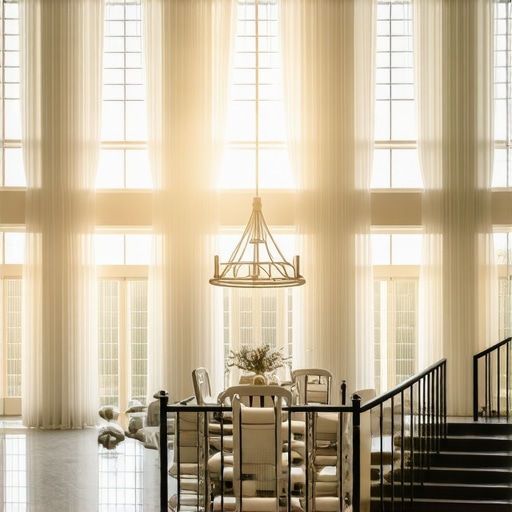
Visualize how natural light interacts with high ceilings through dynamic daylight modeling and interior design elements.
How can manual controls complement automated lighting in these settings?
While automated systems offer remarkable convenience, manual overrides remain essential for nuanced control and personalized ambiance. Dimmers, switches, and scene selectors allow occupants to fine-tune lighting according to mood or specific activities. In high-ceiling environments, such controls should be thoughtfully installed at accessible heights and locations, facilitating intuitive operation. Incorporating tactile, durable switches with clear labeling ensures ease of use, especially when multiple zones are involved. Moreover, pairing manual controls with mobile apps or voice commands provides a hybrid system that respects user preference and enhances accessibility.
Integrating both control modalities embodies a holistic approach, giving inhabitants the autonomy to craft their ideal lighting experience amidst architectural splendor. For best practices and innovative ideas, consult the latest industry guidelines outlined by the Illumination Magazine.
The Art of Balancing Tradition and Innovation in Lighting Design
In contemporary interior design, especially within expansive spaces featuring soaring ceilings, the challenge lies in harmoniously blending age-old natural materials like rattan, wood, or woven fibers with cutting-edge lighting technologies. Achieving this equilibrium necessitates an expert understanding of material properties, technological compatibility, and aesthetic coherence. Integrating organic fixtures with digital controls offers a multifaceted approach to personalized ambiance, while circumventing potential pitfalls related to durability and visual overload. This sophisticated synthesis elevates both functional efficacy and artistic expression, creating environments that are timeless yet instantly adaptable.
Innovative Techniques for Nuanced Light Layering
Advanced layering strategies transcend basic illumination, meticulously combining diffuse, accent, and task lighting to craft dynamic atmospheres. Employing modular, dimmable LED systems seamlessly embedded within natural-material fixtures allows for real-time adjustments, echoing the fluidity of organic textures. Such systems demand precise calibration to ensure thermal stability and longevity, particularly when subjected to frequent modulation. Architectural software—including tools like DIALux or Radiance—facilitates simulation, ensuring the spatial light distribution complements architectural features without compromising the authentic integrity of natural materials.
Addressing the Technical Challenges of Material-Technology Compatibility
Natural materials pose unique engineering challenges due to their variable thermal expansion, moisture sensitivity, and surface porosity. When pairing with electronic lighting components, solutions such as encapsulation within protective coatings, utilization of low-heat LED modules, and incorporation of ventilation pathways become essential. High-quality adhesive systems and mechanical fasteners must also be chosen to prevent visual disruption and ensure fixture stability over time. According to industry research published in the Journal of Architectural Engineering, meticulous material compatibility planning reduces maintenance costs and enhances sustainability, setting a standard for future designs.
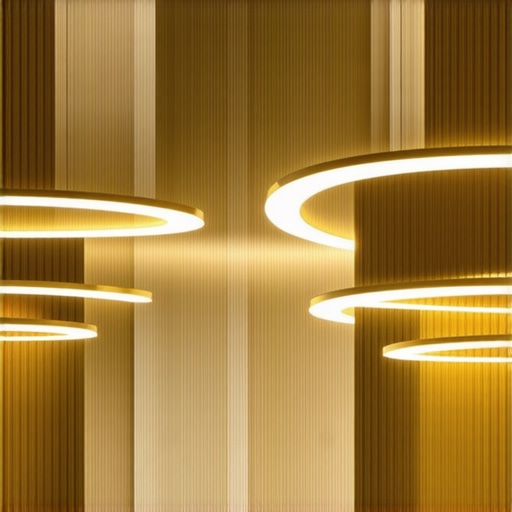
The integration process illustrated: organic fixtures seamlessly fitted with smart LED systems, blending tradition with advanced control features.
Harnessing Smart Control Systems for Organic Fixtures
Modern IoT-enabled lighting controls unlock unprecedented customization capabilities. Embedded sensors, adaptive algorithms, and voice-activated interfaces empower users to manipulate color temperature, brightness, and even dynamic scene settings remotely or automatically—adapting to circadian rhythms or activity patterns. For natural-material fixtures, however, considerations extend to the durability of electronic components and their protective encapsulation. Implementing robust, moisture-resistant enclosures and selecting resilient, low-thermal-emission LEDs ensures longevity without compromising aesthetic authenticity. The integration process is further refined by utilizing centralized control hubs interconnected via secure, high-bandwidth networks, facilitating nuanced, zone-specific adjustments.
Can AI-driven algorithms revolutionize organic lighting customization?
Emerging artificial intelligence systems are poised to predict and adapt lighting preferences with minimal human intervention, analyzing user behavior, environmental conditions, and contextual factors. These intelligent frameworks enable a proactive approach, refining ambiance in real-time to enhance comfort, productivity, or relaxation. Yet, integrating AI within organic fixtures hinges on overcoming hurdles related to device interoperability, data security, and preserving the tactile authenticity of natural textures. Industry pioneers such as Signify(IO) and Philips are spearheading these innovations, as detailed in the Journal of Intelligent Systems in Architecture.
Engage with these sophisticated strategies to redefine the boundaries between nature and technology in your design projects, ensuring a future-proof, aesthetically compelling environment.
Maximizing Daylight in Grand Interior Spaces
Utilizing natural light effectively in vast, high-ceilinged interiors involves strategic placement of glazed surfaces and reflective surfaces to optimize daylight penetration. Advanced daylight modeling software allows architects to simulate sun paths, adjust glazing angles, and determine optimal placement of natural-light-enhancing features like skylights or light tubes. These techniques not only reduce reliance on artificial lighting but also enhance occupant well-being by fostering a connection with the outdoor environment. Furthermore, selecting high-performance glazing materials that balance solar gains with thermal insulation ensures year-round comfort. Implementing shading devices and operable light-diffusing elements adds versatility, allowing natural illumination to be modulated as needed.
Dynamic daylight simulation showcasing sun movement and interior light flow within a space featuring high ceilings and expansive glazing.
How can manual controls complement automated daylight harvesting systems?
While advanced sensors and automated controls optimize natural light utilization, manual override mechanisms remain vital for personalized adjustments and emergency scenarios. Strategically positioned dimmers, blinds, and manual switches provide tactile control, empowering occupants to respond swiftly to changing conditions or preferences. Designing these controls with ergonomic, accessible interfaces ensures they integrate seamlessly into the aesthetic fabric of the interior. Combining manual and automated systems results in a hybrid approach that leverages the strengths of both, delivering adaptable lighting solutions that are both intelligent and user-centric, as emphasized by the Illuminating Engineering Society guidelines.
,
Ekspertni Savjeti za Savršenu Kontrolu Rasvjete U Velikim Prostorima
U dinamičnim, visokim otvorenim prostorima, integracija automatiziranih sustava s manualnim upravljačem omogućava maksimalnu fleksibilnost. Koristite pametne prekidače koje se mogu programirati za automatsko prilagođavanje osvjetljenja tijekom dana ili prema aktivnostima, dok ručni kontroleri poput touch panela pružaju intuitivno podešavanje za svakodnevnu udobnost. Spoj ovih metoda donosi harmonično iskustvo upravljanja rasvjetom koje ističe estetiku i funkcionalnost prostora.
Strateške Prednosti Intelligentnih Sustava Rasvjete
Napredne tehnologije poput senzora pokreta i prilagodljivih LED rasvjetnih traka omogućuju učinkovito korištenje energije dok istovremeno održavaju ambijent na visokoj razini. Automatsko prepoznavanje prisutnosti u prostoru ili prirodne svjetlosti povećava uštedu i smanjuje zagađenje svjetlom, ističući važnost tehnologije u modernom dizajnu rasvjete. Uključivanjem umjetne inteligencije, sustavi mogu samostalno optimizirati svjetlosne uvjete, osiguravajući da svaki kut ostane pravilno osvijetljen s minimalnim naporom uporabnika.
Kako odabrati pravilan kontrolni sustav za svoj prostor
Pri odabiru upravljačkih sustava, ključno je razmotriti kompatibilnost s postojećim instalacijama, mogućnost integracije s drugim pametnim uređajima te jednostavnost korištenja. Profesionalni savjeti ističu potrebu za modularnim rješenjima koja se mogu proširivati i nadograđivati, osiguravajući dugoročnu relevantnost i adaptabilnost. Posebnu pažnju treba posvetiti sigurnosnim protokolima i sigurnosti podataka tijekom implementacije IoT rješenja u osjetljive prostorije poput kupaonica ili vanjskih zona.
Preporučeni Resursi za Dublje Razumijevanje
- Oryon Rasvjeta – Kraljevska ekspertiza u upravljanju rasvjetom
- Balans funkcionalnosti i dizajna u rasvjeti za kuhinju
- Utjecaj Art Nouveau rasvjete na moderne interijere
Za kraj, Važno je zapamtiti
Integracija vrhunske tehnologije s kreativnim dizajnom rasvjete ključno je za postizanje sofisticiranog ambijenta koji istovremeno osigurava funkcionalnost i estetiku. Kontinuirano usavršavanje u području upravljanja rasvjetom, koristeći najnovije stručne smjernice i resurse, omogućava profesionalcima i entuzijastima da kreiraju prostore koji impresioniraju i nadahnjuju. Ne zaboravite, suvremeno osvjetljenje je više od svjetla – to je most između inovacija i tradicije, gdje svaki detalj ima svoju ulogu u stvoriti harmoniju i doživljaj prostora. Предузмите aktivne korake i iskoristite stručne preporuke za nadogradnju vlastitog prostora, jer prava rasvjeta otkriva pravi potencijal svakog ambijenta.