
The Convergence of Aesthetic Innovation and Functional Precision in Contemporary Lighting
In today’s sophisticated interior environments, lighting transcends mere illumination to become an integral component of spatial storytelling and user experience. The amalgamation of topla prigušiva rasvjeta (dimmable ambient lighting), transformatori (transformers), and rasvjeta za spavaću sobu (bedroom lighting) exemplifies this evolution, blending technical mastery with aesthetic finesse. This paradigm shift prompts designers and engineers to explore not only visual impact but also the nuanced control of atmosphere, energy efficiency, and safety, especially within styles like industrijski stil (industrial style) or organic-inspired aesthetics.
Harnessing Transformer Technology for Enhancing Dimmable and Color-Adjustable Lighting
At the forefront of lighting innovation is the strategic application of transformatori, which facilitate seamless voltage regulation for various light sources, including those with zatamnjiva rasvjeta (dimmable lights) and color-changing LEDs. Modern transformers are engineered for precise wattage control and compatibility with advanced dimmers, ensuring optimal performance in rasvjeta za spavaću sobu that demands tranquil and adaptable lighting environments.
The Artistic Role of Organic Forms and Natural-Inspired Lighting
Contemporary design increasingly gravitates toward organski oblici (organic shapes) and rasvjeta inspirirana prirodom, which evoke a sense of harmony and serenity. Light fixtures crafted with flowing lines or organics-inspired structures serve as both practical illuminators and sculptural art pieces. This duality is particularly evident in sculptural and organic lighting installations that elevate interior ambiances and foster emotional connections with inhabitants.
Balancing Atmosphere and Energy Efficiency with Zatamnjiva Rasvjeta
Incorporating zatamnjiva rasvjeta (dimmable lighting) enhances both mood control and energy conservation. Modern zamatnjiva rasvjeta systems leverage smart controls, enabling dynamic adjustments that align with user preferences and circadian rhythms. This not only augments comfort but also reduces energy consumption, aligning with sustainability goals.
Implementing Visilice and Pendant Lights to Forge Visual Hierarchies
Viseće svjetiljke (pendant lamps) are pivotal in establishing focal points within spaces, especially in industrijski stil or naturalistic settings. Their organic oblici and layered arrangements provide both functional illumination and sculptural accents, fostering a sophisticated interplay of light and shadow. Reviewing the latest designer ceiling fixtures can yield innovative ideas for integrating these elements seamlessly into diverse ambiances.
What Are the Challenges in Integrating Multiple Lighting Types in a Cohesive Design?
Achieving harmony across various lighting layers—ambient, task, accent—requires meticulous planning, especially when combining naredne stilove or materials, such as zamjensko stakleno sjenilo (replacement glass shades) or crno mat tracna rasvjeta. Proper selection of lighting zones and compatible fixtures is essential to prevent over- or under-illumination and to maximize visual coherence.
For an in-depth understanding of innovative lighting integrations, exploring materials such as artistic fixtures and technical components will deepen expertise in the field. Professionals are encouraged to contribute insights on emerging trends and technical solutions to foster continuous evolution in lighting design.
Visit our About Us page for more expert content, and consider sharing your experiences or innovative ideas to enrich this dynamic industry.
,
Embracing Smart Lighting Controls for a Harmonious Environment
Integrating advanced pametni sustavi za upravljanje rasvjetom (smart lighting controls) revolutionizes interior design, allowing seamless customization of illumination to suit different activities and moods. With the proliferation of IoT devices, homeowners can now orchestrate lighting scenes, schedules, and energy savings effortlessly. This paradigm shift emphasizes konvergenciju tehnologije i dizajna (convergence of technology and design), fostering spaces that adapt dynamically to inhabitants’ needs.
improving Visual Comfort with Tunable White LED Technology
The emergence of tunable white LED lighting offers nuanced control over color temperature, simulating natural daylight cycles. This capability not only enhances vizualni komfor (visual comfort) but also supports circadian health, a crucial aspect in residential and office environments. Experts suggest that implementing tunable lighting solutions aligned with daylight patterns can significantly improve occupant well-being, emphasizing the importance of human-centric lighting design.
Could Organic Lighting Shapes Lead to Smarter Design Paradigms?
Innovative designers are exploring organiczne oblike (organic shapes) not just for their aesthetic appeal but also for their functional advantages. Curvilinear fixtures facilitate better light diffusion, reducing glare and creating softer shadows, which enhances ambijent (ambience). Furthermore, such forms often integrate ergonomic benefits, fitting more naturally into human environments and inducing a sense of harmony. Incorporating these elements requires a nuanced understanding of sculptural lighting principles and material science, pushing the boundaries of conventional lighting design.
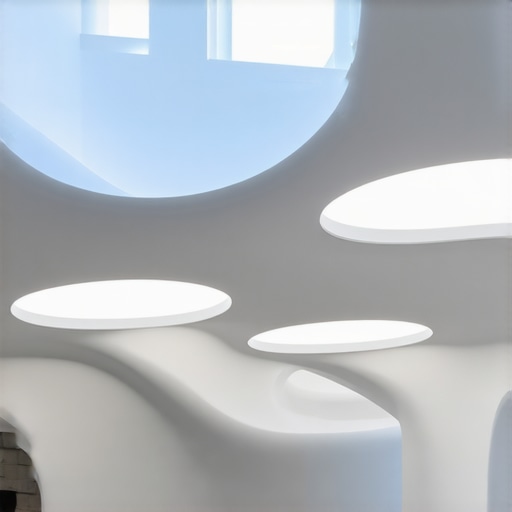
Visualize a futuristic interior with organically shaped luminaires seamlessly integrated into the decor, demonstrating harmony between form and function.
Layering Light for Multifaceted Spaces
Effective lighting design often involves multi-layered approaches, combining ambientnim (ambient), zadacima (task), and akcentnim (accent) lighting. Mastering this balance prevents visual fatigue and enhances aesthetic depth. For example, subtle wall-mounted and pendant luminaires can work together to craft visually engaging layers that foster both functionality and mood.
This layered approach garners particular importance in open-concept interiors or multifunctional rooms, where different lighting requirements coexist within a single space. Contemporary experts advocate designing with an integrated lighting blueprint, considering light zoning to achieve ultimate flexibility and coherence.
How Will Evolving Materials Transform Lighting Design Possibilities?
New material innovations, such as rebrasto staklo (rebrushed glass) and zlatni detalji (golden accents), open doors to unprecedented aesthetic and technical integrations. These materials can improve light diffusion, durability, and decorative appeal, allowing designers to push creative limits. Moreover, emerging sustainable materials contribute to environmentally responsible solutions, aligning with global efforts toward greener interiors. Staying abreast of these advancements is essential for professionals eager to pioneer future trends, emphasizing the impact of material science on lighting innovation.
For further insights into integrating avant-garde materials in lighting, explore trendy metal finishes and artisan craftsmanship. Sharing knowledge and experiences within the professional community sparks continuous evolution, raising the standards of what lighting can accomplish beyond mere illumination.
Elevate Your Space: Mastering the Art of Layered Lighting for Optimal Ambiance
Achieving perfect illumination isn’t solely about choosing the right fixtures; it’s about orchestrating a symphony of ambient, task, and accent lighting to craft a cohesive visual narrative. Advanced layering techniques enable designers to manipulate mood, highlight architectural features, and improve functionality simultaneously. Incorporating intelligent zoning systems allows for individual control over each layer, tailoring the environment to specific activities or times of day. For instance, dimming the ambient light while accentuating sculptures with targeted spotlights can dramatically transform a room’s character, demonstrating a nuanced command of spatial dynamics.
Choosing the Future: The Impact of Evolving Material Science on Lighting Innovation
The revolutionary progress in material science is fueling unprecedented possibilities in lighting design. New composites like rebrushed glass with enhanced diffusion properties or sustainable bio-based plastics offer both aesthetic allure and environmental benefits. These materials not only extend the lifespan and durability of fixtures but also open avenues for organic, fluid geometries that break free from traditional manufacturing constraints. Moreover, integrating embedded photonic crystals can enable dynamic light modulation within fixtures, paving the way for smarter, more responsive environments. The ongoing convergence of material innovation and illumination technology promises a future where aesthetics and sustainability coalesce seamlessly.
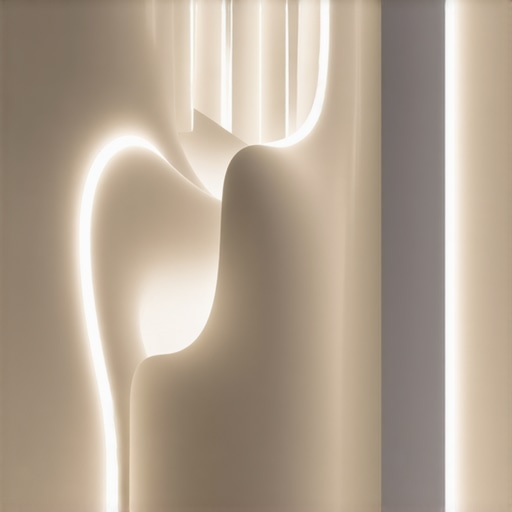
Illustrative image showing a contemporary interior with organically shaped luminaires made from innovative, eco-friendly materials, emphasizing harmony between form and function.
Architectural Lighting as a Tool for Spatial Transformation
Beyond mere illumination, architectural lighting plays a pivotal role in shaping perceptions of space. By strategically positioning uplights to highlight textured ceilings or wall washers that emphasize surface depth, designers can alter the perceived dimensions of a room. This technique is particularly effective in industrial styles, where raw textures and structural elements are accentuated to evoke a sense of rugged elegance. Employing layered light techniques further enhances this effect, transforming ordinary spaces into immersive environments that echo a sense of purpose and sophistication.
How Can Smart Lighting Systems Be Tailored for Personalized Comfort?
Implementing smart lighting controls goes beyond simple automation; it entails customizing lighting scenes based on individual preferences, circadian rhythms, and activity patterns. Sophisticated systems utilize biometric data and learning algorithms to predict optimal lighting conditions, fostering personal well-being and productivity. For example, adaptive white temperature adjustments throughout the day can simulate natural sunlight, supporting hormonal balance and mood stability. Integrating voice commands or AI-powered apps ensures effortless modulation, fostering user autonomy. As technology advances, the potential for truly personalized lighting ecosystems becomes increasingly tangible, urging professionals to stay abreast of these innovations.
Elevating Home Atmospheres Through Strategic Layering of Light and Material Innovation
In contemporary residential design, the adept layering of topla prigušiva rasvjeta (warm dimming ambient lighting), combined with cutting-edge transformatori (transformers), unlocks new dimensions of spatial harmony and energy efficiency. By meticulously calibrating various luminance layers, designers can craft environments that respond dynamically to occupants’ moods and routines, fostering not just comfort but a refined aesthetic experience. The integration of rasvjeta za spavaću sobu (bedroom lighting) with intelligent control systems exemplifies this approach, enabling seamless transitions from invigorating daylight to tranquil evening ambiance.
Harnessing Transformer Technology to Tame Voltage Fluctuations in Complex Light Installations
Modern transformers transcend simplistic voltage regulation, now offering sophisticated features like adaptive load balancing and harmonic filtering, essential for maintaining the longevity and performance of sensitive LED fixtures, especially in layered setups. This advancement ensures stability across a multitude of devices—ranging from zamajnjava staklena sjenila (replacement glass shades) to crno mat tracna rasvjeta (matte black track lighting)—without compromising on visual clarity or safety standards. According to industry leader Luminaire Academy, integration of transformer technology into smart lighting ecosystems is pivotal for achieving scalable, resilient systems that adapt to fluctuating electrical demands within residential spaces.
Naturalistic Lighting Forms and Their Role in Psychological Well-Being
Emerging research underscores the importance of organski oblici (organic shapes) in lighting fixtures, which foster a subconscious sense of serenity and connection to nature. When crafted with rasvjeta inspirirana prirodom, these designs serve more than decorative purposes—they influence circadian rhythms and psychological health. Advanced materials, such as rebrasto staklo (rebrushed glass) infused with biophilic motifs, enhance diffusion and create harmonious light patterns that emulate natural luminance variations. This synthesis of form and function exemplifies how material innovation is shaping the next frontier of human-centric lighting.
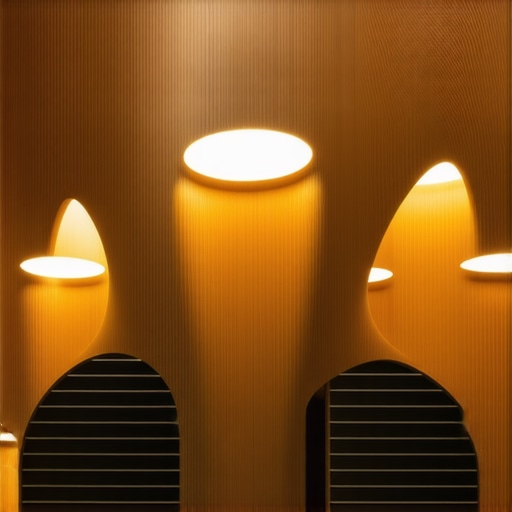
Addressing the Challenges of Integrating Diverse Lighting Components into Cohesive Homes
One of the most intricate aspects of modern lighting design involves harmonizing naredne stilove (next styles) and materials, such as combining crno mat tracna rasvjeta with zlatni detalji (golden accents) for an upscale industrial aesthetic. Precision in selecting compatible lighting zones and fixtures is crucial to prevent visual dissonance and technical incompatibilities. The employment of intelligent zoning systems enables tailored control over each lighting layer, accommodating diverse activities and moods within the same space, ultimately elevating residents’ comfort and usability.
Deepening expertise in this domain involves understanding emerging materials and their interaction with advanced transformers. For instance, integrating bio-based plastics with smart dimmers facilitates environmentally responsible solutions that do not sacrifice performance. Industry insights from Architectural Lighting highlight how continuous innovation in materials and control systems is revolutionizing residential lighting landscapes.
Unlocking the Potential of Dynamic, Human-Centric Lighting with Smart Controls
As the boundary between technology and interior design blurs, smart lighting systems equipped with pametni sustavi za upravljanje rasvjetom (smart controls) empower users to curate personalized environments. Incorporating biometric feedback and AI-driven algorithms allows for real-time adaptation—adjusting tuneable white LED temperaturen to support circadian health or activating scene modes for relaxation or productivity. According to a recent study by the National Institutes of Health, personalized lighting profoundly influences hormonal balance and mental well-being. Designers and technologists must collaborate to harness these innovations for holistic lifestyle enhancement, pushing the envelope of what intelligent lighting systems can achieve.
Expert Insights & Advanced Considerations
Integrate Smart Controls for Holistic Comfort
Implementing intelligent lighting systems that adapt to user behavior and circadian rhythms enhances both comfort and energy efficiency, fostering healthier living environments.
Prioritize Material Innovation to Expand Design Horizons
Emerging materials like sustainable bio-based plastics and photonic crystals enable innovative fixture geometries and dynamic light modulation, pushing the boundaries of aesthetic and functional design.
Balance Aesthetic and Technical Excellence
Seamless integration of organic shapes with advanced transformer technology results in cohesive spaces that are both visually harmonious and reliably functional.
Leverage Layered Lighting to Elevate Spatial Narratives
Combining ambient, task, and accent lighting thoughtfully craft immersive environments that respond to occupant needs and moods, particularly in multi-functional rooms.
Harness the Power of Human-Centric Lighting Paradigms
Designing with tunable white LED solutions and organic-inspired fixtures supports well-being and aesthetic appeal, aligning technology with natural human rhythms.
Curated Expert Resources
- Lighting Research Center: Offers comprehensive studies on human-centric lighting and innovative material applications, driving evidence-based design.
- Architectural Lighting Magazine: A premier source for industry trends, technical innovations, and case studies highlighting cutting-edge lighting solutions.
- Material ConneXion: A global materials repository showcasing sustainable, bio-inspired, and high-performance materials vital for future-proof designs.
- National Institute of Standards and Technology (NIST): Provides standards and guidelines fostering safe and reliable lighting infrastructure integration.
- Lighting Society of America: Facilitates knowledge exchange and professional development within advanced lighting communities.
Strategic Reflections for Industry Innovators
Mastering the latest insights in topla prigušiva rasvjeta and transformer integration offers a pathway to designs that are not only aesthetically compelling but also smart, sustainable, and deeply attuned to human needs. As the industry evolves, coupling material science with technological innovation becomes imperative. Engage with ongoing research, participate in thought leadership, and share your expertise to shape the future landscape of lighting design. Your next breakthrough may be just an idea away—dive deeper, experiment boldly, and contribute to transforming spaces with intelligent illumination.