
Enhancing Ambience and Functionality Through Expert Lighting Design
In the realm of contemporary interior design, lighting transcends mere illumination, becoming a pivotal element that shapes spatial perception and user experience. From sophisticated vintage rasvjeta reminiscent of classic styles to sleek minimalistička rasvjeta that emphasizes clean lines, the strategic selection and placement of lighting fixtures such as zidne svjetiljke, retro i vintage rasveta or rasvjeta za kuhinju, are instrumental in crafting ambients that respond to both aesthetic and functional demands.
Semantic Depth of LED Profiles and Transformatori in Modern Lighting Systems
Integral components like aluminijski profili za LED trake and transformatori ensure efficient energy use, longevity, and customizable design. Their application in rasvjeta za staze or zidne svjetiljke facilitates seamless integration with existing architecture, enhancing both safety and visual appeal. By optimizing these elements, designers achieve precise light layering, essential for spaces requiring zatamnjiva rasvjeta or accent lighting that highlights architectural features.
Strategic Placement and Innovation: Elevating Spaces Beyond Basics
Innovations in unutaršnja rasvjeta and rasvjeta za kuhinju implementations introduce layered controls such as dimming and color adjustments, elevating user comfort and utility. A nuanced understanding of beam angles, color rendering index (CRI), and lumen output in fixtures like kristalnih lustera assists in designing lighting schemes that are both functional and artistically captivating.
Addressing Complex Audience Queries
How do luminaires like zidne svjetiljke and rasvjeta za staze adapt to diverse environmental conditions and usage scenarios to maintain aesthetic harmony and operational efficiency?
This question emphasizes the importance of selecting fixtures with resilient materials and adaptable features, ensuring durability in varied climates and compatibility with smart control systems. Incorporating elements like weatherproofing for outdoor rasvjeta za staze or anti-corrosion finishes for zidne svjetiljke supports sustainability while preserving visual coherence.
Engaging with the Expert Community
For professionals aiming to refine their lighting schemas, exploring advanced concepts such as high-CRI LED strips or custom vanjske zidne svjetiljke designs can foster innovative solutions. Your insights or experiences with integrating transformatori and minimalistička rasvjeta in complex spatial arrangements are invaluable for advancing collective expertise.
According to recent publication by the Illuminating Engineering Society (IES), the strategic control of luminance levels and color temperature significantly enhances spatial perception and occupant well-being, underscoring the need for meticulous planning in lighting design.
Embracing Smart Lighting: Transforming Spaces with Intelligent Control
In the rapidly evolving landscape of interior lighting, the integration of smart controls is revolutionizing how we interact with our environments. Automated systems, from dimming functionalities to color temperature adjustments, provide not only enhanced convenience but also significant energy savings and customizable ambiance. Modern solutions like app-controlled smart lighting applications empower users to tailor lighting scenarios in real-time, aligning with activities, moods, or time of day.
Technology and Aesthetics: Finding the Balance in Dynamic Environments
The challenge lies in harmonizing technological sophistication with visual coherence. Incorporating elements such as zatamnjiva rasvjeta and scene-setting features into fixtures like zidne svjetiljke or rasvjeta za kuhinju demands a nuanced understanding of user behavior and space requirements. With advancements in sensor-based controls and adaptive algorithms, lighting can respond automatically to occupancy, ambient light levels, or even circadian rhythms, creating a truly responsive environment.
Developing a Framework for Adaptive Lighting Design
Experts advocate for a holistic approach that considers not just the hardware but also the software integration and user interface design. This involves selecting fixtures with compatible control protocols, such as Zigbee or Z-Wave, and ensuring their seamless communication within a smart home ecosystem. Integrating adjustable minimalistička rasvjeta panels or transformatori capable of remote dimming and color adjustments allows for sophisticated scene management. Furthermore, designing lighting with flexibility in mind supports future scalability and technological upgrades, aligning with the trends outlined in the latest advanced lighting management strategies.
How can designers leverage automation to optimize energy efficiency without compromising aesthetic quality in diverse residential and commercial settings?
This question probes the delicate balance between sustainability and style, emphasizing the importance of intelligent automation systems that adapt to occupant behavior and environmental conditions. Features like adaptive outdoor lighting and dynamic interior scenes exemplify how technology can harmonize with design principles to deliver both function and beauty.
Are you experimenting with innovative lighting controls in your projects? Share your experiences or challenges in implementing smart solutions that elevate both usability and aesthetic appeal. Staying abreast of emerging technologies and best practices can significantly influence the success of next-generation lighting designs, especially when considering crucial elements like advanced control protocols and user-centric interfaces.
According to recent research by the Lighting Research Center, integrating adaptive lighting systems not only enhances visual comfort but also promotes healthier environments by aligning indoor lighting with natural circadian cycles, thereby improving occupant well-being and operational efficiency.
,
Maximizing Energy Efficiency with Intelligent Lighting Protocols
Introducing smart lighting control systems revolutionizes the way we approach spatial illumination, particularly in complex environments demanding both adaptability and sustainability. Techniques such as layered dimming, scene personalization, and occupancy sensing are transforming passive lighting setups into dynamic, resource-conscious solutions. According to a comprehensive study by the Lighting Research Center (LRC), integrating advanced protocols like Zigbee 3.0, Thread, and DALI-2 facilitates seamless interoperability among fixtures, sensors, and centralized control platforms, resulting in significant energy savings while maintaining aesthetic integrity. This synergy allows designers to craft atmospheres that respond organically to user behaviors and preferences, reducing wastage and prolonging fixture longevity.
What Are the Key Challenges in Implementing Multi-Protocol Smart Lighting Environments?
One of the more nuanced hurdles involves ensuring compatibility across disparate control protocols and hardware ecosystems. For example, aligning Zigbee-based fixtures with Z-Wave sensors or integrating Wi-Fi-enabled luminaires into existing building automation systems necessitates meticulous planning and robust middleware solutions. The primary obstacle lies in preventing communication silos that can lead to inconsistent control responses or system malfunctions. Industry standards such as the Open Connectivity Foundation (OCF) aim to address these fragmentation issues by promoting standardized interfaces and interoperable device profiles. For professionals, mastering these frameworks is critical to deploying resilient, scalable lighting architectures that future-proof investments and operational workflows.
The Art and Science of Adaptive Scene Management in Complex Spaces
Designing lighting schemes that adapt seamlessly to varying activities, times of day, and user preferences calls for sophisticated scene management capabilities. Integrating multi-zone control with granular dimming and color tuning empowers occupants to customize environments—for instance, shifting from vibrant task lighting during work hours to mellow, warm tones in the evening. Advanced algorithms analyze sensor data and user inputs to auto-adjust luminance levels, ensuring optimal comfort without manual intervention. In commercial settings, such systems foster productivity and well-being, aligning with neuroscientific insights into circadian lighting’s influence on alertness and mood (Figueiro et al., 2017). Incorporating these features requires a deep understanding of lumen distribution, beam angle optimization, and the spectral quality of light sources—topics thoroughly explored in recent publications by the Illuminating Engineering Society (IES).
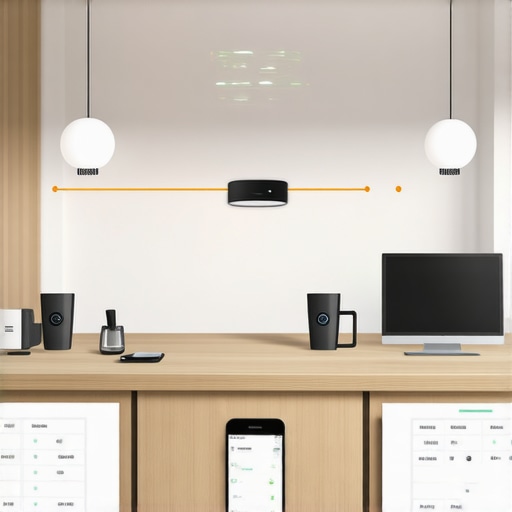
Visual diagram illustrating layered lighting controls with interconnected fixtures, sensors, and user interfaces in a modern residential or commercial space.
Mastering the Symphony of Light to Elevate Spatial Experiences
In the realm of high-end interior design, the marriage of technical prowess and aesthetic finesse becomes paramount. Employing sophisticated lighting controls that respond dynamically to environmental cues and user preferences allows architects and designers to craft immersive atmospheres. The utilization of transformatori and minimalistička rasvjeta panels, when seamlessly integrated with smart ecosystems, facilitates an unparalleled level of customization and energy efficiency. This confluence of hardware and software unlocks the potential for personalized lighting narratives that adapt instantaneously to varying scenarios, from tranquil evenings to focused work sessions.
Embedded Technology Shapes Future-Ready Lighting Ecosystems
Embedding IoT-enabled fixtures within architectural frameworks demands a nuanced understanding of protocol interoperability, especially when deploying multi-vendor components like aluminijski profili za LED trake and high-CRI LED strips. Ensuring smooth communication across standardized channels such as DALI-2 or KNX is essential for achieving synchronized operations, especially in complex spaces requiring layered illumination. Expert knowledge in configuring these networks can significantly enhance scene management and operational resilience, delivering lighting solutions that are both scalable and future-proof.
How Can Experts Innovate Beyond Conventional Lighting Norms?
This query challenges industry professionals to rethink traditional boundaries. Venturing into the integration of tunable white LED sources with circadian rhythm simulation, or leveraging AI-driven scene analysis, fosters environments that support health and productivity. Incorporating features such as zatamnjiva rasvjeta in tandem with sensory feedback enables spaces to respond proactively, reducing manual adjustments while maintaining visual harmony. Further, experimenting with custom zidne svjetiljke that adapt their output based on ambient modes offers a pathway to truly intelligent interiors that evolve with their occupants.
Leverage Knowledge to Revolutionize Lighting Design
If you are eager to elevate your mastery, consider engaging with the latest research on adaptive lighting systems published by institutions like the Illuminating Engineering Society. Exploring case studies that demonstrate the tangible benefits of integrated advanced control protocols widens your strategic toolkit. Your inquiries and pioneering solutions could influence industry standards and set new benchmarks for excellence in lighting innovation.
Transform Environments with the Power of Intelligent Controls
Implementing scene-aware lighting that harmonizes ambiance, function, and energy consumption involves an intricate balance. Features such as multi-zone dimming, dynamic color tuning, and occupancy sensing must be fine-tuned through expert calibration. By applying comprehensive frameworks described in recent technical whitepapers, designers can craft responsive environments that predict user needs and adjust seamlessly. The result is not just utility but a compelling sensory experience that elevates every visit and activity within the space.
What is the Impact of Seamless Protocol Integration on Design Flexibility?
This critical question emphasizes the importance of resilient infrastructure capable of supporting evolving technological landscapes. Choosing fixtures and controllers compatible with open standards enables effortless upgrades, reduces downtime, and ensures consistent performance across diverse devices. Mastery in integrating multi-protocol ecosystems—perhaps combining Zigbee’s low power footprint with Z-Wave’s robustness—enhances design agility and operational reliability, especially in sophisticated commercial or residential projects.
In your pursuit of next-generation lighting mastery, consider experimenting with hybrid control systems that leverage the strengths of each protocol. Your innovations could redefine how spaces are experienced and managed, delivering bespoke environments that are smarter, more sustainable, and inherently adaptable.
Balancing Functionality and Artistic Expression in Dynamic Settings
The challenge extends beyond mere technical implementation; it encompasses the artistry of creating environments that resonate emotionally. Incorporating features like rasvjeta za kuhinju with dynamic scene capabilities allows for tailored experiences—bright and invigorating during meal preparations, warm and subdued during social gatherings. Employing high-precision beam angles and spectral tuning ensures that each lighting layer complements the overall narrative. By integrating sensor-driven automation with creative design, professionals can craft mood environments that respond intuitively to human activity, exemplifying the harmony of science and artistry.
Expert Insights & Advanced Considerations
Prirodna harmonija osvjetljenja utječe na svakodnevni doživljaj prostora
Implementacija svjetlosnih rješenja koja se prilagođavaju prirodnim ciklusima doprinosi boljoj produktivnosti i općem zdravlju korisnika, ističu stručnjaci iz oblasti osvjetljenja. Odabirom odgovarajućih temperatura boje i funkcionalnosti, možete u savršenstvu uskladiti estetiku i funkcionalnost.
Tehnološke inovacije omogućavaju personalizirane atmosfere
Integracija naprednih kontrolnih sistema, poput prilagođenih scena i adaptivnih algoritama, revolucionira dizajn unutarnjeg i vanjskog osvjetljenja. Tehnologije poput DALI-2 ili Zigbee omogućavaju jednostavnu kontrolu i optimizaciju troškova energije.
Materijali i zaštita za dugotrajnost u svim uvjetima
Odabir otpornosti na vremenske uvjete i koroziju, posebno za vanjske instalacije poput vrtnih i staznih svjetiljki, osigurava trajnost i estetiku bez kompromisa. Stručnjaci savjetuju korištenje zaštitnih slojeva i materijala koji odgovaraju klimi.
Budućnost dizajna: spoj umjetnosti i tehnologije
Predviđa se da će napredni elementi poput skulpturalne rasvjete i organskih oblika sjajno korespondirati s funkcionalnošću, stvarajući jedinstvenu atmosferu. Ove inovacije ukazuju na smjer u kojem će se kreirati sofisticirani prostori.
Preporučeni resursi za stručnjake i entuzijaste
- Sabirni izvori: Oryon Rasvjeta – O nama: Autoritativni izvor informacija, najnovijih trendova i tehničkih rješenja.
- Stručni priručnici: Napredno upravljanje rasvjetom: Detaljni vodiči i studije slučaja za specijaliste.
- Stručne publikacije: IES – Illuminating Engineering Society: Vrlo cijenjen savez za moderne standarde i smjernice u dizajnu rasvjete.
- Tehnički seminari: Webinari i radionice: Mogućnost usavršavanja i razmjene znanja s vrhunskim stručnjacima.
Zaključak i što sada možete učiniti
Otkrili smo da je za vrhunski dizajn rasvjete ključna kombinacija stručnih znanja, inovacija i pažljivog odabira materijala. Integracijom naprednih tehnologija i resursa kakvi su dostupni danas, možete oblikovati prostore koji nadilaze očekivanja—ostvarujući estetiku i funkcionalnost uz održivost i buduću skalabilnost. Vaše iskustvo i stručnost mogu biti pokretačka snaga za dizajn koji će ostaviti dojam; zato nemojte čekati, uključite se u zajednicu i podijelite svoja rješenja ili izazove na našim platformama.