
Inovacije u vanjskoj rasvjeti: kako senzorski sustavi transformiraju arhitektonske ukrasne elemente
U okvirima modernog arhitektonskog dizajna, vanjska rasvjeta s senzorima pokreta predstavlja prekretnicu koja povezuje funkcionalnost s estetikom. Kroz integraciju inteligentnih sustava, ove rasvjetne opcije omogućuju automatizirano osvjetljenje prostora, istovremeno štedeći energiju i naglašavajući arhitektonske detalje poput reflektora i ugradbenih svjetiljki. Stručnjaci ističu da će do 2026. godine takvi sistemi postati standard u oblikovanju okoliša, a primjeri poput vanjskih zidnih svjetiljki pokazuju kako se tehnologija savršeno uklapa u dizajn fasada.
Kako odabrati pravi senzorski sustav za vanjsku rasvjetu koji će istaknuti arhitekturu?
Prilikom odabira senzorskog sustava, potrebno je razmotriti faktore poput osjetljivosti na pokret, raspona detekcije i kompatibilnosti s postojećim svjetlosnim elementima. Potrebno je osigurati da senzori ne izazivaju neželjene razbistrene svjetlucavosti, već kreativno ističu strukturalne detalje poput pletene rasvjete ili teksturiranog stakla. Za detaljno informiranje, preporučujemo pregled kako postići savršen balans između funkcionalnosti i dizajna u rasvjeti.
Kreiranje ambijenta koji zadivljuje
Kombinacija modernih lampi i art nouveau rubova omogućava stvaranje dinamičnih rasvjetnih scena koje ističu arhitektonski identitet. U 2026. sve češće se koriste reflektori s teksturiranim staklom za postizanje dubine i slojevitosti u osvjetljenju, dok pletena rasvjeta donosi dojam topline i prirodnosti. Ugradbena rasvjeta za kuhinju i kosni stropovi pružaju linearne i diskretne opcije koje ne narušavaju estetiku, a moderne lampe poput oversized plafonjera unose dozu ekstravagancije u arhitektonske zone.
Koje su najnovije trendovske promjene koje oblikuju budućnost vanjske rasvjete?
Nove tehnologije poput solarnih reflektora sa senzorima pokreta i LED teksturiranog stakla redefiniraju percepciju vanjskog osvjetljenja. Uz to, integracija pametnih sustava i ekološki prihvatljivih materijala poput organskih oblika omogućuju kreativne kombinacije koje istovremeno zadovoljavaju estetske i funkcionalne potrebe. Ovako oblikovana rasvjeta ne samo da ističe arhitekturu, već i stvara sigurnosne zone i povećava pridruženi dojam o prostoru. Za dodatne smjernice, posjetite kako odabrati idealnu unutarnju rasvjetu.
Kako osigurati harmoniju između funkcionalnosti i dizajna u vanjskoj rasvjeti?
Ključ leži u inteligentnom kombiniranju reflektora, ugradbene rasvjete i modernih LED lampi koje se skladno uklapaju u arhitektonski stil prostora. Optimalan balans postiže se kroz pravilno odabrane svjetlosne temperature i svjetlosne snage, što je detaljno objašnjeno u kako postići savršen balans između funkcionalnosti i dizajna u rasveti. U svakom slučaju, integracija teksturiranog stakla i organskih oblika dovodi do unikatnih kompozicija koje će definirati arhitektonske okvire u nadolazećoj eri rasvjete.
Inovacije koje pomiču granice: pametni sustavi u vanjskoj rasvjeti
Kako tehnologija napreduje, integracija pametnih senzora, bežičnih kontrola i IoT rješenja u vanjskoj rasvjeti potvrđuje svoju ulogu kao neizostavni segment moderne arhitekture. Ovi sustavi omogućavaju ne samo automatizirano upravljanje, već i prilagodbu svjetla u realnom vremenu prema okolnom ambijentu i potrebama korisnika.
Primjene takvih sustava često se koriste za isticanje arhitektonskih detalja poput reflektora s teksturiranim staklom ili organskog oblika u LED tehnologiji, čime se stvara unikatna atmosfera i povećava sigurnost u prostoru. Stručnjaci ističu da će takvo rješenje do 2026. godine postojati kao standard u projektima dizajna okoliša, doprinoseći energetskoj učinkovitosti i estetskoj impresivnosti. Više o tome kako postići savršen balans između funkcionalnosti i dizajna možete saznati u ovom vodiču.
Koje su prednosti pametnih sustava i kako ih najbolje implementirati u vanjsku rasvjetu?
Ključne prednosti uključuju smanjenje potrošnje energije, povećanu kontrolu na daljinu i mogućnost prilagodbe svjetla prema specifičnim zahtjevima arhitektonskog dizajna. Za optimalnu implementaciju, važno je koordinirati sustave s postojećim elementima poput reflektora, ugradbenih svjetiljki i teksturiranog stakla, kako bi se postigla harmonija između inovacije i estetike. Detaljnije o tome kako odabrati pravi senzorski sustav za vanjsku rasvjetu možete pronaći ovdje.
Načini povećanja utjecaja rasvjete na arhitektonspli dojam
Koristeći kombinaciju reflektora s teksturiranim staklom, teksturiranog stakla i organskih oblika, arhitekti mogu istaknuti posebne karakteristike zgrada ili okoliša, stvarajući dojmljive vizualne efekte. U 2026. sve više se koriste kombinacije ugradbene rasvjete i modernih lampi, poput oversized plafonjera, koji doprinose stvaranju dramatične i sofisticirane atmosfere. Ove inovacije omogućuju kreiranje prostora koji odiše individualnošću i vizualnom dubinom, pa je stalno preporučljivo posjećivati relevantne izvore za najnovije trendove u ovom segmentu, poput moderne lampе za dnevni boravak.
Kako odabrati rasvjetne elemente za isticanje arhitektonskih posebnosti na otvorenom?
Važno je razmotriti kombinaciju LED reflektora s teksturiranim staklom, organskih oblika i reflektora koji ističu arhitektonske detalje na najefikasniji mogući način. Pravilno ograničavanje i usmjeravanje svjetlosti stvara dramatične sjene i naglašava teksture, pružajući dubinu i slojevitost. Da biste saznali više o najnovijim tehnologijama i dizajnerskim rješenjima, preporučujemo posjet ovom linku.
Amplify Architectural Drama with Textured Glass and Organic Forms
In recent years, the utilization of textured glass combined with organic, flowing shapes has revolutionized exterior lighting, enabling architects and designers to craft spaces that are both functional and visually captivating. Textured glass diffuses light in a manner that emphasizes surface nuances, creating luminous patterns that cast intricate shadows, while organic shapes evoke natural harmony, softening rigid structural elements and fostering a sense of fluidity. This synergy nurtures an immersive environment where light and form coalesce seamlessly, elevating the architecture from mere structure to a living artwork.
Strategic Layering of Light Sources for Depth and Texture
Layered lighting—using a combination of uplights, downlights, and accent luminaires—enhances the inherent qualities of textured glass and organic forms. For instance, positioning uplights beneath textured panels accentuates surface relief, casting shadows that highlight subtle undulations. Similarly, integrating low-intensity spotlights to emphasize contours of organic motifs produces depth and visual interest, inviting viewers into a dynamic play of light and shadow. To optimize this effect, consider employing tunable LED fixtures capable of adjusting color temperature and intensity, allowing for adaptive ambiance tailored to different times of day or special occasions. <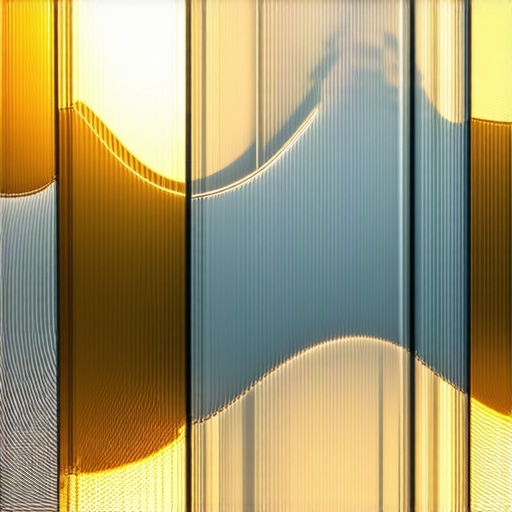 >
>
Innovative Materials and Techniques Elevate Exterior Lighting
Advancements in materials science have introduced durable, environmentally friendly textured glass options that resist weathering while maintaining optical clarity. Techniques such as lamination with reflective films or embedded prisms further enhance luminescence and diffusion qualities. Additionally, 3D modeling and simulation software now enable precise visualization of light interactions with complex organic contours, facilitating meticulous planning to achieve desired lighting effects. According to industry leader Luminaire Innovations Inc., incorporating such technologies results in designs that are both energy-efficient and visually mesmerizing, producing a ‘living light’ effect that responds to environmental conditions.
Design Considerations for Harmonizing Light and Architecture
Achieving harmony between lighting and architectural elements requires attention to scale, material, and contextual integration. When selecting textured glass and organic shapes, ensure they complement the building’s overall aesthetic and environmental context. For example, natural motifs resonate well in landscapes inspired by biomimicry, while sharp, textured glass forms suit modern, industrial designs. Proper placement of luminaires is equally critical; a misaligned fixture can diminish the intended visual impact or cause glare. Consulting with lighting designers who integrate computational modeling and aesthetic principles ensures that each element contributes coherently to the architectural narrative.
Addressing Challenges in Outdoor Textured Glass and Organic Lighting
Despite their aesthetic appeal, textured glass and organic shapes pose unique challenges, such as cleaning, maintenance, and light saturation. Textured surfaces tend to trap dirt, necessitating thoughtful selection of cleaning solutions that do not damage delicate surfaces. Additionally, over-illumination can obscure surface textures, so establishing optimal brightness levels is essential. To mitigate these issues, consider integrating smart lighting controls capable of dimming or color tuning based on ambient light levels or time schedules. Moreover, ongoing advancements in coatings that repel dirt and resist corrosion further facilitate maintenance, ensuring the longevity of design integrity. For comprehensive insights into managing these challenges, industry publications like Lighting Design + Application recommend leveraging IoT-enabled sensor networks for real-time monitoring and adjustments.
What innovative control systems maximize aesthetic and functional outcomes in textured glass installations?
Contemporary control systems utilizing wireless protocols such as Zigbee or Z-Wave enable granular, scene-based lighting adjustments that can be programmed based on user preferences or environmental cues. These systems facilitate dynamic light modulations that accentuate surface textures and organic forms at different times, creating an ever-changing visual experience. Integrating sensors that detect motion, ambient light, or even weather conditions can automate these adjustments, ensuring that lighting remains optimal without manual intervention. For example, a facade featuring textured glass panels can be dimmed during overcast days to enhance surface relief, then intensified at night to produce a luminous spectacle. Through such intelligent systems, designers can craft environments that respond sensitively to both aesthetic desires and practical needs, fostering sustainable practices without compromising visual impact. To explore state-of-the-art solutions, consult industry leaders within the smart lighting domain or specialized publications like LED professional.
Beyond the Basics: How Advanced Materials Elevate Exterior Lighting Effects
In the realm of exterior illumination, the adoption of innovative materials such as nanostructured textured glass and biophilic organic composites has expanded possibilities for creating mesmerizing light-scape effects. These materials, imbued with self-cleaning and weather-resistant properties, allow designers to push boundaries while ensuring durability and minimal maintenance. When illuminated with carefully calibrated LEDs, they produce nuanced patterns that enhance surface textures and architectural contours, delivering an immersive experience that marries form and function seamlessly.
Unveiling Light Sculptures: The Power of Organic Shapes in Architecture
Organic, flowing forms integrated into lighting fixtures serve not just as illumination sources but as sculptural elements that forge a dialogue with natural environments. These shapes, inspired by biomimicry, evoke sensations of fluidity and movement, fusing aesthetics with structural innovation. Strategically placed LED modules within these forms cast dynamic shadows and highlights, reinforcing the architectural narrative. Such designs necessitate advanced CAD modeling and simulation to anticipate light behavior and achieve the desired visual harmony amidst complex geometries.
What Are the Hidden Secrets to Cladding Light for Maximum Impact?
Effective accentuation of façade textures and architectural details hinges on mastering the art of light layering. Implementing multiple lighting layers—spotlights to accentuate reliefs, uplights to emphasize volume, and wash lights to create a mood—can dramatically transform a building’s nighttime visage. Employing adaptive controls and tunable luminaires further refines this process, enabling real-time adjustments tailored to environmental conditions or thematic events. Integrating textured glass panels with embedded prisms directs and diffuses light in captivating ways, often achieving a stereoscopic perception that enthralls viewers.
Harnessing the Internet of Things for Smarter Illumination Control
The convergence of IoT technology with outdoor lighting systems heralds a new era of intelligent environments. Networked sensors detect ambient variables—motion, temperature, humidity—and communicate with central controllers to optimize lighting dynamically. This synergy fosters energy efficiency, as lights adapt to occupancy patterns and weather changes, while also enhancing safety through consistent ambient illumination. For instance, sensors embedded within textured glass façades can modulate light intensity to accentuate surface nuances during twilight or overcast conditions, enriching the sensory experience for observers. As per the insights from Nature Communications, such integrations significantly reduce energy consumption without compromising visual richness.
Choosing Between Linear and Point Light Strategies for Sculptural Clarity
Selecting optimal lighting strategies depends on the architectural intent and surface complexity. Linear fixtures—such as concealed LED strips—serve to emphasize elegant contours, elongate surfaces, or create ambient glows. Conversely, precise point lights—such as adjustable spotlights—bring focused clarity to specific sculptural features like organic-shaped light sculptures or textured glass installations. Modern innovations in adjustable beam angles and color tuning facilitate nuanced control, enabling designers to craft compelling visual hierarchies. Careful analysis of surface relief and material reflectivity informs fixture placement, ensuring the lighting accentuates rather than obfuscates architectural details.
Emerging Techniques: Light Mapping & Surface Projection in Exterior Design
Progressing beyond static illumination, surface projection techniques harness high-powered projectors to animate textured façades with dynamic motifs, transforming architectural surfaces into living canvases. This approach enables the highlighting of organic forms and textured glass elements with animated light patterns that can change in real time, providing a captivating layer of depth and storytelling. The integration of multi-projector arrays can isolate specific architectural features, creating multidimensional visual narratives that captivate audiences. According to ScienceDirect, these innovations not only redefine aesthetic paradigms but also offer new avenues for environmental storytelling and experiential design.
How to Balance Artistic Expression with Sustainable Principles in Exterior Lighting
Achieving an equilibrium between visionary design and eco-conscious practices involves strategic selection of low-impact materials, energy-efficient luminaires, and adaptive control systems. Employing LEDs with high color rendering index (CRI) ensures vibrant surface detail portrayal without excessive energy expenditure. Moreover, incorporating renewable energy sources such as solar-powered fixtures—especially with textured glass surfaces that diffuse sunlight during the day—merges sustainability with artistic integrity. Thoughtful fixture zoning and intelligent dimming schedules reduce light pollution and preserve nocturnal ecosystems, as emphasized by authoritative bodies like the International Dark-Sky Association. This holistic approach cultivates an environment where architectural brilliance and environmental responsibility coalesce.
How Can Artistic Light Manipulation Transform Ordinary Facades into Iconic Landmarks?
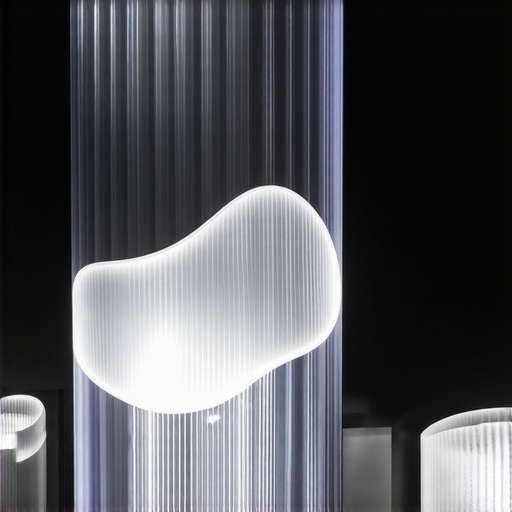
Utilizing techniques such as textured glass backlighting, organic-shaped luminaires, and strategically placed reflectors elevates ordinary structures into recognizable landmarks by accentuating unique architectural signatures. The interplay of shadow and light reveals surface nuances, emphasizing craftsmanship and materiality. Employing advanced control algorithms and color-tuning enhances visual storytelling, transforming facades into dynamic displays that engage viewers emotionally and intellectually. As research published in Taylor & Francis Online suggests, these artistic manipulations can forge stronger cultural identities and boost the aesthetic prestige of urban landscapes.
} }
}
Ekspertne uvide za arhitekte i dizajnere
Uključivanje umjetne inteligencije poboljšava efikasnost rasvjete
Moderni senzorski sustavi koriste strojno učenje za prilagodbu osvjetljenja u realnom vremenu, čime se postiže optimalan balans između funkcionalnosti i estetike, smanjujući potrošnju energije i povećavajući sigurnost na objektima.
Prilagodba materiala za maksimalnu učinkovitost
Korištenje inovativnih, ekološki prihvatljivih teksturiranih stakala i organskih oblika omogućava drastično poboljšanje difuzije svjetla te podiže razinu vizualne privlačnosti vanjskih fasada.
Kako razmišljati o sigurnosti i održivosti istovremeno
Integracija solarnih reflektora s naprednim senzorima pokreta omogućava ne samo energetski učinkovite sustave, već i povećanu sigurnost, ističući arhitektonske elemente i minimalizirajući utjecaj na okoliš.
Impresivne estetike kroz slojevitost i teksture
Višeslojno osvjetljenje u kombinaciji s reflektorima od bojanog i teksturiranog stakla stvara dubinu i slojevitost, istovremeno ističući autentičnost i individualnost svakog projekta.
Povećajte svoju stručnost koristeći vodeće izvore
- – Top 10 vanjskih zidnih svjetiljki za 2025 – vodeći vodič u dizajnu fasada
- – Savršeni balans funkcionalnosti i dizajna – za unutarnju i vanjsku rasvjetu
- – Moderne lampe za dnevni boravak – inspiracija i inovativen dizajn
Zaključno razmišljanje za stručnjake
Ukupno gledano, integracija senzorskih sustava s teksturiranim i organskim oblicima transformira utjecaj vanjske rasvjete na arhitektonske impresije. Ovi tehnološki i dizajnerski napredci omogućuju stvaranje jedinstvenih, sigurnih i energetski učinkovith prostora koji će oblikovati procese i estetiku buduće arhitekture. Profesionalci i entuzijasti pozvani su da iskoriste dostupne resurse i iskustva, te slijede trendove dostupne na našoj platformi za daljnju inspiraciju i edukaciju.