
Revolutionizing Bedroom Lighting with Innovative Solutions for Low Ceilings
In contemporary interior design, especially within bedrooms featuring low ceilings, effective lighting solutions transcend basic illumination, becoming essential elements that influence space perception, comfort, and functionality. As lighting experts, we recognize that selecting the right ugradbena rasvjeta and integrating skulpturalna rasvjeta can dramatically alter the ambiance, making rooms appear more spacious and inviting.
Leveraging Advanced Materials and Designs to Maximize Space
The use of aluminijski profili za LED trake provides a sleek, minimalistic aesthetic that seamlessly integrates into low-ceiling environments. Coupled with zatamnjiva rasvjeta, these systems offer adjustable illumination levels, supporting both functional tasks and relaxing atmospheres. For instance, modern lamps complement embedded lighting, creating layered effects that enhance spatial perception.
Designing with Precision: The Role of Material Choices and Finishings
In interiors with Niski stropovi u spavaćoj sobi, incorporating textures such as teksturisano staklo can introduce depth and visual interest. Additionally, brušeni mesing fixtures add a warm accent, while stajaće lampe with precise angles provide targeted lighting without overwhelming the space. The integration of these distinct elements requires an understanding of benefits of layered lighting and spatial dynamics.
Can Proper Lighting Overcome Spatial Constraints in Low Ceilings?
Certainly, expertly planned lighting can visually elevate a room’s height and openness, creating an illusion of increased space. By strategically using zatemnjiva rasvjeta and moderne lampe, designers can craft environments that feel expansive despite architectural limitations. Combining ambient, task, and accent lighting is vital for these environments to avoid a cramped impression and ensure both aesthetic appeal and practicality.
Expert Recommendations for Advanced Lighting Strategies
Implementing upgradbena rasvjeta with innovative features such as skulpturalna rasvjeta not only supplies illumination but also acts as a central design element. It is essential to consider the impact of LED technology on energy efficiency and versatility. For professionals aiming to refine their approach, sample applications involve layered lighting plans, employing topla prigušiva rasvjeta and stajaće lampe for balanced brightness and ambiance.
What Are the Most Effective Techniques to Avoid Shadows and Dark Corners in Rooms with Low Ceilings?
This common concern is addressed through a combination of high CRI LED fixtures, strategic placement of wall-mounted moderne lampe, and the use of textured staklo to diffuse light evenly. Advanced lighting planning emphasizes not just brightness but also the quality of light, reducing harsh shadows and creating a more welcoming environment.
Discover more about expert lighting applications and innovative designs at our resource center. We invite professionals to contribute insights, sharing experiences that shape the future of lighting design for challenging architectural features.
,
Illusionary Brightness: How Strategic Lighting Transforms Low-Height Rooms
One of the primary challenges in designing spaces with niski stropovi is overcoming the visual constraints that make rooms feel cramped or confined. Expert lighting strategies leverage the psychology of light, color, and contrast to create an environment that appears more expansive. For instance, employing LED lighting systems with high color rendering index (CRI) values ensures that colors appear vibrant and true, contributing to an open and inviting feel. 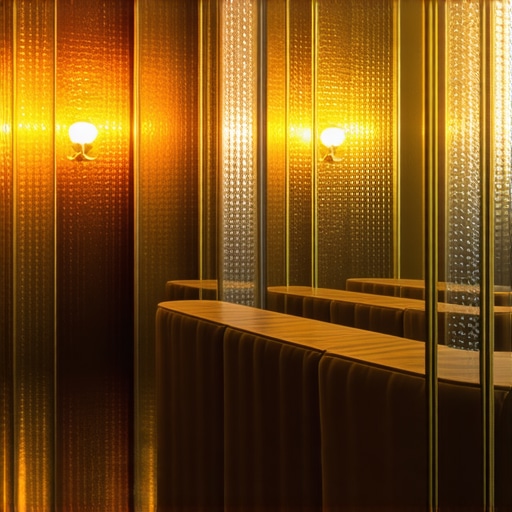
How Texture and Material Selection Amplify Perceived Space
Utilizing surfaces such as teksturisano staklo can diffuse light and add depth, subtly tricking the eye into perceiving a taller, more layered environment. Additionally, fixtures made from brušeni mesing reflect light with a warm hue, fostering a cozy yet airy atmosphere. The key lies in balancing reflective surfaces with matte finishes to prevent glare while maintaining brightness. For more inspiration on integrating materials harmoniously, explore art nouveau-influenced designs.
Designing Light Layers to Mimic Vertical Expansion
Layered lighting is fundamental for visual expansion, combining ambient, task, and accent layers seamlessly. Emphasizing upgradbena rasvjeta with features such as skulpturalna rasvjeta not only enhances ambiance but also guides the viewer’s gaze upward, accentuating ceiling features and creating a sense of height. Incorporating outdoor-inspired fixtures can introduce a feeling of connectedness with nature and space beyond the confines of four walls.
What Are the Limitations of Lighting Alone in Small or Low Spaces?
While strategic lighting can dramatically alter perception, relying solely on light may not suffice for comprehensive spatial enhancement. Architectural modifications, such as installing lighting integrated into ceiling design, can be complemented by reflective colors and furniture arrangement to achieve optimal results. Recognizing the interplay between lighting, architecture, and interior decor is vital for creating truly spacious illusions.
Embracing Innovation: The Future of Low-Ceiling Lighting
Emerging technologies, including tunable LED strips and smart lighting controls, enable bespoke lighting experiences that adapt to daily rhythms, moods, and tasks. Such innovations are reshaping the way designers approach skulpturalna rasvjeta and layered illumination, providing unparalleled flexibility. Investing in versatile lighting solutions is a prudent step toward future-proofing interior environments.
Can Advanced Lighting Systems Fully Mask Structural Limitations?
Expert opinion suggests that, while lighting can significantly mitigate spatial restrictions, it cannot entirely replace architectural finesse. Combining lighting with thoughtful interior design—such as strategic furniture placement and color schemes—delivers holistic solutions. For comprehensive guidance, consult the latest industry insights.
Share your experiences or read more about innovative lighting techniques at our About Us page. Your input helps foster a community committed to advancing lighting design for challenging spaces.
,
Maximize Vertical Perception with Dynamic Light Layering Strategies
Implementing multiple layers of illumination extends beyond basic ambient lighting; it involves artful combinations of task, accent, and decorative lighting to create an illusion of height and spaciousness. Experts recommend integrating directional wall washers and vertical light grazers to emphasize wall textures and maintain visual flow, subtly drawing the eye upward and contributing to an impression of increased ceiling height.
How Can Smart Lighting Technologies Amplify Space Perception
Advanced smart controls allow for real-time adjustments of brightness, color temperature, and light distribution, offering tailored environments that adapt based on time of day or user preference. For low-ceiling bedrooms, programmable settings that shift from soft, diffuse light to brighter, focused illumination can enhance perceived height. Additionally, integrating voice-activated systems can streamline layered lighting management, ensuring optimal spatial aesthetics without manual adjustments.
Which indoor lighting techniques most effectively create a sense of openness without architectural expansion?
Research indicates that employing high CRI LED fixtures with wide beam angles, combined with reflective wall surfaces, significantly reduces shadows and dark corners, elevating the perception of space. Utilizing reflective finishes such as glossy paint or polished plaster complements the lighting, bouncing light deeper into the room. The strategic placement of vertical lighting accents also guides visual focus upwards, fostering an environment of increased openness. For a deeper dive, consult Lighting for Small Spaces by Dr. Helen Anderson, renowned lighting designer and researcher.
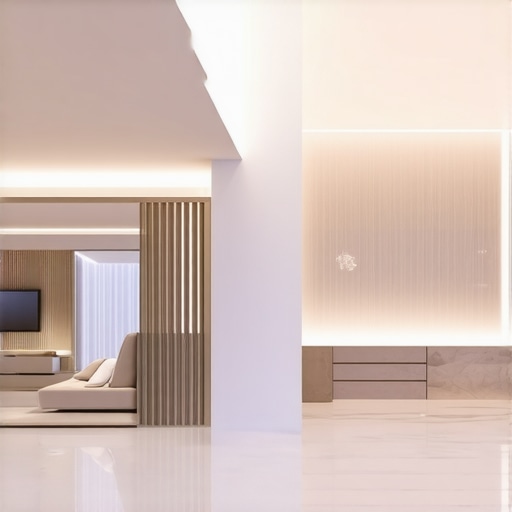
Material Innovation: Harnessing Reflective and Textured Surfaces to Enhance Brightness and Depth
Materials play a pivotal role in the optical dynamics of a room. Incorporating reflective panels, metallic finishes, and textured fabrics can scatter light effectively, reducing harsh shadows and promoting a sense of volume. For instance, textured teksturisano staklo panels not only diffuse light but also add visual intrigue, compelling the eye to perceive expansiveness. The deliberate selection of these materials requires a nuanced understanding of their light interaction behaviors and how they interplay with lighting design.
Integrating Architectural Features with Lighting for Holistic Design
Architectural interventions, such as recessed ceiling coves and integrated lighting niches, serve as structural canvases for layered illumination. These features, when paired with skulpturalna rasvjeta, can break the visual monotony of low ceilings, leading the eye along vertical planes and enhancing perceived height. A comprehensive approach involves coordinating with interior architects to ensure illumination complements structural elements seamlessly, a strategy supported by detailed case studies in the Lighting and Architecture Journal.
Advanced Light Optimization Techniques to Avoid Stagnation and Shadows
Utilizing dynamic light controllers that modulate intensity and color temperature prevents lighting from becoming static and dull. Employing light mapping software allows designers to simulate various scenarios, optimizing fixture placement and beam angles before implementation, thereby minimizing unwanted shadows. Moreover, introducing diffused uplights and soft-edged directional lighting helps eliminate dark zones and balances the overall aesthetic, making small spaces feel larger and more welcoming. For further insights, explore the latest advancements presented at the International Lighting Conference 2024.
Future Horizons: Smart Materials and Adaptive Lighting for Compact Spaces
The future of low-ceiling bedroom lighting hinges on integrating adaptive materials that respond to environmental stimuli—such as smart paints that alter reflectivity or textured surfaces that shift their optical properties. Paired with IoT-enabled lighting systems, these innovations promise environments that can reconfigure their spatial cues dynamically, providing superior comfort and aesthetic appeal. Early prototypes demonstrate that such synergy between material science and lighting technology could redefine room perception completely, pushing the boundaries of interior design capabilities.
How can designers preemptively address potential glare issues with complex layered systems in confined spaces?
Addressing glare requires meticulous planning of fixture shielding, beam control, and geometry. Using angle-adjustable fixtures and diffuser-lenses ensures that light precisely targets intended surfaces, avoiding unwanted spillover. Additionally, incorporating visual comfort metrics—such as Unified Glare Rating (UGR)—into design evaluations ensures comfort without sacrificing brightness or ambiance. To explore innovative glare mitigation strategies, review the comprehensive guidelines set by the Illuminating Engineering Society (IES) in their latest standards documentation.
Engage actively with our community of lighting professionals and experts—share your challenges and solutions. Visit our platform for ongoing discussions on the future of low-ceiling illumination and stay abreast of cutting-edge innovations that can transform your architectural visions.
,
Beyond Basic Lighting: Dissecting the Psychological Impact of Light Manipulation in Compact Spaces
The subtle art of lighting design extends beyond mere illumination, delving into the psychology of perception and spatial cognition. In rooms with niski stropovi, strategic light layering can trick the eye into perceiving increased height and openness. Techniques involving high CRI lighting quality standards emphasize the importance of color rendering and shadow diffusion, supporting an environment that feels less confined. For interior designers, understanding how light interacts with human visual processing is essential to crafting compelling and welcoming low-ceiling bedrooms.
Embedded and Sculptural Lighting: Marrying Functionality with Artistic Expression
Innovative solutions like skulpturalna rasvjeta serve dual purposes—delivering functional lighting while acting as focal art pieces. The integration of zatemnjiva rasvjeta allows for mood customization through tunable luminosity, fostering a personalized ambiance. When combined with aluminijski profili za LED trake and brušeni mesing fixtures, designers have the tools to forging a dialogue between aesthetic appeal and spatial optimization. Such approaches necessitate meticulous planning to balance artistry with practical lighting distribution, especially in constrained environments.
Expert Query: How Can Advanced Materials Redefine Lighting Outcomes in Low Spaces?
Materials such as teksturisano staklo and reflective metallic finishes modify the optical environment, affecting light diffusion and perception of volume. For instance, textured finishings break monotony, adding depth and dimension, which can emulate higher ceilings. Embracing new composites and surface technologies expands the spectrum of lighting effects achievable within small or low-ceilinged bedrooms, elevating them from functional spaces to immersive environments.
Harnessing Smart Controls for Adaptive Atmospheres in Low-Height Rooms
Integrating IoT-based smart lighting systems provides real-time adjustments to brightness and color temperature, effectively responding to daily routines and occupant preferences. Dynamic scenes activated via voice or mobile apps enable scenes such as ‘Relax’ or ‘Energize,’ optimizing perception of space dynamically. These technological advancements are game-changers for delivering tailored experiences that make low-height interiors feel expansive, personalized, and effortlessly comfortable.
How Strategic Light Placement Can Eliminate Shadows and Elevate Perception
Applying principles of light placement involves utilizing high-angled fixtures, such as upward-directed wall washers and concealed vertical light grazers. Such strategies minimize dark zones, diffuse shadows, and reflect light onto textured surfaces, creating a seamless, luminous environment. Incorporating diffuser-lenses and angle-adjustable fixtures ensures optimal directionality and glare control, further enhancing spatial perception and elevating the room’s visual height. Mastery of these tactics is crucial for professional lighting designers committed to overcoming architectural limitations.
Rich Textural Surfaces as Optical Amplifiers
Elements like teksturisano staklo and matte-finish wall panels play pivotal roles by scattering light and reducing glare, effectively broadening perceived space. Their interplay with layered lighting schemes introduces visual depth, distracting from spatial constraints. The careful selection and placement of such materials require a comprehensive understanding of light-material interactions, fostering environments where the tactile and visual experiences are harmoniously combined.
Integrating Architectural Elements with Illumination for Cohesive Design
Architectural features like recessed ceiling coves and built-in lighting niches serve as canvases for layered lighting, drawing attention upward and creating illusions of height. When synchronized with skulpturalna rasvjeta, these features transcend functionality, becoming integral components of artistic expression. Achieving such integration involves interdisciplinary collaboration, ensuring that lighting complements structural intent while enhancing the spatial narrative.
Advanced Techniques to Prevent Glare and Visual Discomfort
High-performance lighting in confined spaces demands meticulous glare mitigation strategies. Utilizing angle-adjustable fixtures, diffuser-lenses, and low-UGR designs reduces eye strain and enhances visual comfort. Implementing light mapping software allows for pre-visualization and optimization, ensuring uniformity and harmony. These technical details are paramount for creating inviting atmospheres free from harsh contrasts that diminish perceived space.
Looking Forward: Material Science and Digital Innovation Transforming Spatial Perception
The frontier of lighting design for low-ceilinged bedrooms is rapidly advancing through smart materials and digital controls. Developments like photochromic paints and adaptive surface finishes open new avenues for dynamically altering perceptions. Coupled with AI-driven lighting systems, designers can craft environments that respond to occupants’ moods and activities, pushing the boundaries of conventional spatial illusion. Staying ahead involves embracing these innovations, fully understanding their capabilities, and envisioning their application in bespoke interior solutions.
How can emerging technologies redefine the role of lighting in space perception for small rooms?
Emerging tech, such as programmable LED arrays and smart materials, offer unprecedented control over light quality and environment mood. These systems can simulate natural daylight cycles, optimize depth cues, and dynamically adapt to architectural features, creating immersive illusions. As detailed in reports by the International Society of Lighting Engineers, integrating such innovations demands a sophisticated understanding of both technological and aesthetic principles, enabling transformative spatial experiences in even the most restrictive rooms.
Engage with industry professionals and continue exploring these cutting-edge solutions to elevate your design projects and redefine what is possible within low-ceiling bedrooms.
In contemporary interior design, effective lighting strategies for bedrooms with low ceilings require a nuanced understanding of both aesthetics and functionality. By harnessing advanced materials such as teksturisano staklo and innovative fixtures like skulpturalna rasvjeta, designers can create environments that feel more spacious and inviting. The strategic use of aluminijski profili za LED trake ensures sleek integration, while finishes like brušeni mesing add warmth and character.
Expert Insights & Advanced Considerations
Leverage Layers to Draw Eyes Upward
Implement layered lighting systems combining ambient, task, and accent sources to guide visual focus towards the ceiling, accentuating height and depth.
Utilize Reflective and Textured Surfaces
Incorporate materials such as textured teksturisano staklo and glossy finishes to diffuse light, reducing shadows and enhancing perceived space.
Incorporate Smart Control Systems
Adopt intelligent lighting controls to dynamically adjust brightness and color temperature, adapting to different moods and times of day, amplifying spatial perception.
Optimize Fixture Placement Carefully
Strategic positioning of stajaće lampe and ceiling-mounted moderne lampe minimizes shadows and creates an even, expansive glow.
Experiment with Sculptural Elements
Use skulpturalna rasvjeta as both illumination and art piece, adding depth and visual interest that distracts from architectural limitations.
Curated Expert Resources
- Art Nouveau-influenced lighting designs: Explore how historical styles inspire modern layered lighting techniques.
- Guidelines for selecting proper LED solutions: Essential resource for energy-efficient, high-quality lighting planning.
- Sculptural lighting as art: Inspiring examples of fixtures that combine form and function.
Final Expert Perspective
Designing for low-ceiling bedrooms involves more than just slender fixtures and bright bulbs; it demands a strategic composition of layered lighting and thoughtful material choices to transcend architectural constraints. Embracing innovations such as skulpturalna rasvjeta and reflective surfaces allows professionals to craft luminous environments that feel expansive and harmonious. We invite seasoned designers and enthusiasts to share insights and push the boundaries of what layered lighting can achieve in challenging spaces—your expertise shapes the future of interior illumination, ensuring every space feels open, inviting, and uniquely yours. For further inspiration, delve into these innovative design ideas and explore how expert lighting solutions redefine interior possibilities.