
Elevating Interior Environments through Innovative Lighting Technologies
The quest for the perfect illumination blends aesthetics with functionality, especially when integrating sophisticated systems like zatamnjiva rasvjeta (dimmable lighting) and rasvjeta sa senzorom (sensor-based lighting). Deep expertise in these domains reveals a nuanced understanding of how lighting intricacies influence spatial perception and user experience.
Design Principles Behind Effective Rasvjeta sa Senzorom and Mat Mjed Surfaces
Sensor-based rasvjeta (lighting) enhances energy efficiency and safety, particularly when strategically deployed in corridors, staircases, and outdoor pathways. Coupling these with matte textures (mat mjed) minimizes glare, facilitating visual comfort and reducing fatigue. Such surface-light interactions underscore the importance of material and technological synergy in contemporary lighting design.
Strategic Placement of Stropna Svjetla and Kabeli i Prekidači for Seamless Functionality
Advancing beyond traditional setups, modern stropna svjetla (ceiling fixtures) serve as central illumination points, enabling layered lighting schemes. Incorporating intelligent kabeli i prekidači (cables and switches) allows for customizable zoning, while facilitating smart control integrations. This approach exemplifies an expert-level understanding of electrical layouts tailored to occupant behavior and aesthetic harmony.
Creating Ambiance with Upečatljiva Rasvjeta and Podne Lampe
Upečatljiva rasvjeta (statement lighting) and podne lampe (floor lamps) function as focal points and mood setters within residential and commercial interiors. Their selection involves analyzing color temperature, lumen output, and design language—ensuring visual warmth and character are preserved, even in minimalist schemes. Such nuanced choices inform expert lighting design practices.
How to Harmonize External and Internal Lighting for Cohesive Style
Effective integration of parkovne svjetiljke (garden luminaires) with indoor fixtures establishes a unified aesthetic. Recent trends emphasize fixture materials and finishes that transcend indoor-outdoor boundaries, such as weather-resistant metals matching interior accents. This holistic approach reinforces the importance of comprehensive lighting strategies, as discussed in the 2025 Guide to Interior Lighting.
Can Modern Lighting Mitigate the Impact of Shadow Formation on Workspaces
Shadow management remains a critical concern for both productivity and visual health. Employing layered lighting with adjustable fixtures and strategically placed rasvjeta za predsoblje (entryway lighting) can significantly reduce undesired shadows, aligning with ergonomic and design best practices. For practical implementation, see expert insights on selecting appropriate LED lighting.
Enhancing your space involves not only selecting the right fixtures but understanding the complex interplay between light, material textures, and spatial layout. Embrace these advanced principles to create environments that are both luxurious and functional, and contribute to a sophisticated ambiance that resonates with contemporary design ethos.
To deepen your understanding of expert lighting solutions, explore our related content on top outdoor wall lights for 2025 and consider sharing your professional insights with the community.
Harnessing Dynamic Lighting Controls for Optimal Ambiance
Integrating advanced lighting controls, such as dimming systems and programmable timers, elevates the functionality and atmosphere of any environment. These technological integrations allow for precise adjustment of light intensity, fostering tailored experiences that adapt to various activities and moods. For example, pairing optimal LED lighting choices with smart controls ensures energy efficiency without sacrificing visual comfort.
Why Innovate with Organic and Sculptural Lighting Pieces
Moving beyond traditional fixtures, the realm of sculptural and organic lighting introduces artistic expressions into interior design. These pieces serve dual roles—providing illumination while acting as conversation starters and aesthetic focal points. Incorporating such innovative designs requires a nuanced understanding of spatial dynamics and material harmony to achieve a cohesive look that resonates with contemporary tastes.
Innovative Placement Strategies for Accent and Task Lighting
Strategic placement of accent and task lighting transforms volume and functionality. For example, properly positioned task lights enhance visual clarity for workspaces, while accent fixtures highlight architectural features or artworks. Employing layering techniques with layered lighting schemes creates depth and complexity that engage viewers on an emotional level.
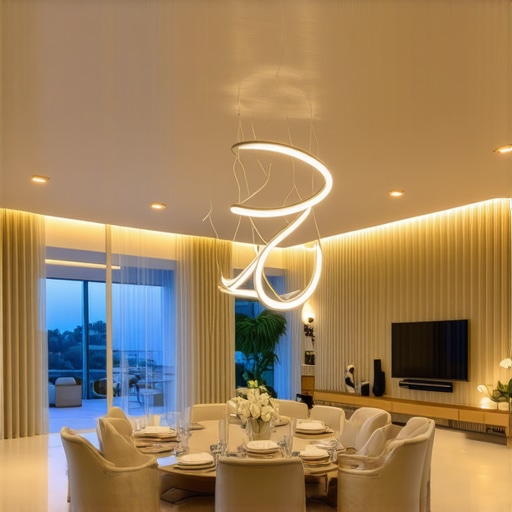
Fostering Sustainability through Eco-Friendly Lighting Choices
Adopting eco-conscious approaches, like selecting energy-efficient LEDs and solar-powered fixtures, not only reduces ecological footprints but also results in substantial long-term savings. Sustainable lighting also incorporates the use of recyclable materials and designs that facilitate maintenance and lifespan extension. Experts emphasize that embracing green principles contributes to healthier indoor environments and demonstrates corporate social responsibility.
Can Smart Lighting Systems Harmonize Personal Comfort with Sustainability Goals?
As technology advances, the integration of smart lighting offers remarkable potential to balance user preferences with environmental impact. These systems learn user behaviors, automatically adjust lighting levels, and optimize energy consumption, exemplifying a synergy of convenience and responsibility. For comprehensive guidance on implementing such solutions, refer to the detailed insights available in the smart lighting innovations report.
If you’re eager to refine your lighting designs further, consider exploring our in-depth analyses on top outdoor wall lights for 2025, or share your thoughts and questions within our community to foster collective learning and expertise.
Precision Layering: Crafting Dynamic Lightscapes for Optimal Interior Impact
Achieving a sophisticated environment hinges on the meticulous layering of lighting elements—balancing ambient, task, and accent illumination to create depth, mood, and functionality. An expert approach considers the spatial hierarchy, ensuring each layer complements the architecture and decor while serving specific human needs. For instance, integrating adjustable recessed led strips with pendant fixtures and targeted spotlights can transform a mundane space into an artful dialogue of light and shadow.
How do you fine-tune multiple lighting layers to avoid visual clutter and maintain harmony?
Effective fine-tuning involves strategic use of dimming controls, color temperature variations, and zoning mechanisms. This allows for seamless transitions between different lighting scenarios, from focused task illumination during work hours to cozy, ambient glow for relaxation. Customizable lighting controls, especially those enabled by smart home systems, empower users to craft personalized atmospheres with effortless ease. According to a comprehensive study published in the Lighting Research & Technology journal, layered lighting that is well-calibrated not only enhances aesthetic appeal but also reduces visual fatigue and improves overall well-being (source).
Integrating advanced control systems that analyze occupancy patterns and natural light levels can dynamically adjust artificial lighting, optimizing energy consumption while maintaining a desired ambiance. Such intelligent control fosters a responsive environment that adapts to both the time of day and user activity, elevating the functional sophistication of modern interiors.
Harnessing Material Interactions to Amplify Lighting Effects
The interplay between light and surface materials remains a cornerstone of expert lighting design. Textures like matte, glossy, or textured finishes influence how light diffuses, reflects, and absorbs within a space. For example, matte paints (~mat mjed) disperse light evenly, reducing glare, whereas glossy surfaces amplify luminance and create focal highlights. Understanding these interactions allows designers to manipulate visual perceptions deliberately, shaping perceptions of space size and depth.
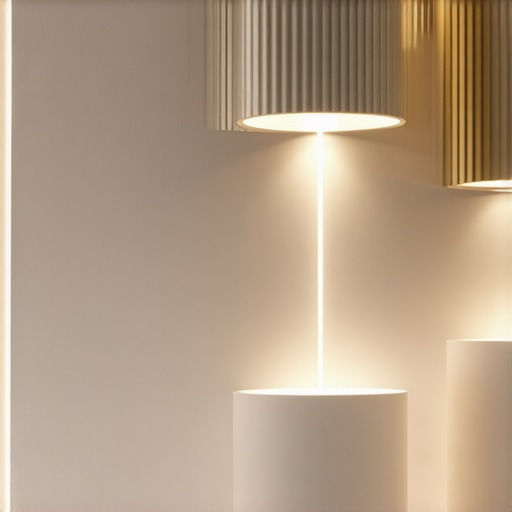
Designing with material and lighting synergy involves selecting fixtures that complement surface finishes, such as diffusers that soften direct light over textured walls or directional LEDs that accentuate architectural features with contrasting materials.
What are the advanced considerations in selecting fixtures that optimize material-light relationships?
Beyond basic compatibility, a nuanced approach examines the spectral output of light sources relative to material color rendering indices (CRI) and texture diffusivity. Modern LED technology offers a spectrum of options, including tunable white and color-changing LEDs, which can be calibrated to enhance or subdue material textures according to specific scenarios. This level of precision ensures a harmonious blend between lighting and material characteristics, resulting in interiors that feel both vibrant and cohesive.
Furthermore, incorporating light sources with high-standards of color fidelity is critical when highlighting art, textiles, or fine finishes, preserving their true hues under varying lighting conditions. The strategic use of light layering, material properties, and fixture selection collectively forge environments that are not just illuminated but reborn through expert-designed visual narratives.
Transformative Light Layering Techniques Elevate Interior Flair
Harnessing multiple layers of illumination requires a keen understanding of spatial hierarchy and human perception. To create dynamic atmospheres, experts employ a combination of ambient, task, and accent lighting, meticulously calibrated through modern control systems. By integrating dimmable LED strips with architectural fixtures, designers craft nuanced environments that adapt seamlessly to varied moods and activities, thereby elevating the aesthetic and functional value of a space.
How to Master the Art of Harmonizing Light and Material Interaction
The nuanced interplay between lighting and textures can dramatically alter spatial perceptions. Surface finishes such as matte matte mjed and glossy details influence how light reflects and disperses. Sophisticated architects leverage this knowledge by selecting fixture types and placement that accentuate texture, using diffusers to mitigate glare or directional LEDs to highlight architectural features. Strategic material-light pairing enhances depth, creating immersive environments that resonate with both beauty and purpose.
What are the latest innovations in fixture design that optimize material interactions?
Emerging technologies like tunable white LEDs and smart reflectors enable precise control over light quality and directionality, elevating material expression. Fixtures with customizable beam angles and spectral outputs allow designers to manipulate how light complements surface textures, improving visual clarity and ambiance. For example, employing high-CRI tunable LEDs over textured walls ensures vivid color rendering, revitalizing interior aesthetics with vibrant authenticity. Regular consultation of peer-reviewed studies, such as those published in the Lighting Research & Technology journal, keeps professionals at the forefront of these innovations (source).
Leveraging Photometric Data to Foresee Lighting Outcomes
Advanced lighting design is grounded in precise photometric analysis, allowing for predictive modeling of luminance distribution and glare potential. Tools such as ray-tracing software provide insights into how fixtures will influence perceived brightness, shadow formation, and surface contrast. By integrating these data-driven approaches, experts ensure optimal lighting uniformity, energy efficiency, and visual comfort across complex interior architectures.
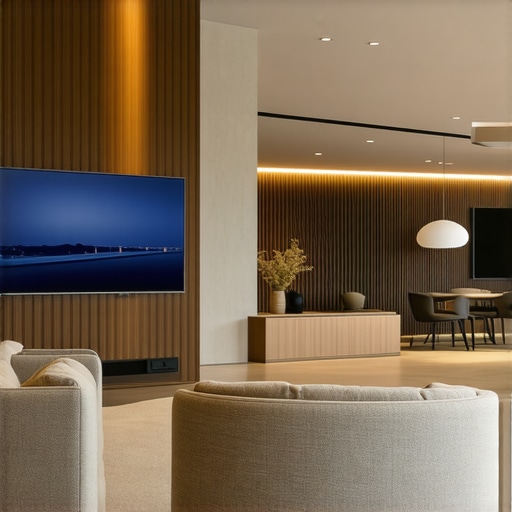
For practitioners seeking to refine their approach, mastery over photometric principles fosters confidence in selecting fixtures that achieve desired effects while adhering to rigorous standards of sustainability and human-centric design.
Enhance Your Environments with Intelligent Lighting Ecosystems
The evolution of smart lighting systems opens new horizons in creating responsive, energy-conscious spaces. Through systems that analyze occupancy, ambient natural light levels, and user preferences, designers can achieve a harmonious balance of ambiance and efficiency. Incorporating AI-driven controls—such as adaptive dimming and scene selection—empowers occupants with intuitive management and fosters sustainable practices aligned with modern ecological imperatives.
Why Do Integrated Controls Transform Lighting from Utility to Experience?
Integrated systems transcend mere illumination; they craft personalized environments that adapt instantaneously to user behavior. According to industry benchmarks outlined in the smart lighting report, these innovations significantly reduce energy consumption while heightening user satisfaction. The ability to customize lighting scenes not only preserves aesthetic coherence but also promotes well-being by aligning lighting conditions with circadian rhythms and activity patterns.
Engaging with these advanced solutions requires familiarity with IoT protocols and control platforms, ensuring seamless integration and scalable deployment. As smart lighting continues to evolve, mastering its intricacies offers a competitive edge for architects and interior designers dedicated to avant-garde interior environments.
Contemporary Considerations in Custom Control Protocols
Integrating proprietary or open-source control protocols influences both design flexibility and future scalability. Whether implementing DALI, KNX, or Zigbee standards, understanding protocol compatibility and network security is essential. Custom control solutions facilitate granular management of zones, scenes, and automation routines, enabling a personalized ambient experience that is both intuitive and resilient against technological obsolescence.
In the realm of interior design, the mastery of sophisticated lighting techniques transforms spaces from mere environments into captivating experiences. By integrating advanced solutions such as zatamnjiva rasvjeta (dimmable lighting) and rasvjeta sa senzorom (sensor-activated lighting), professionals can craft atmospheres that adapt seamlessly to user needs and aesthetic visions.
Innovate with Layered Illumination to Achieve Depth
Applying multiple lighting layers—ambient, task, and accent—creates a dynamic visual narrative. Smart placement and controls enable customization that accentuates architectural features and personalizes ambiance, elevating the overall design impact.
Harness Material and Surface Interactions for Visual Harmony
Understanding how textures like mat mjed surfaces interact with light—diffusing or reflecting—allows for deliberate design choices that enhance space perception and comfort. Selecting fixtures that optimize these interactions amplifies aesthetic coherence.
Leverage Technological Synergy for Sustainability and Comfort
Combining eco-friendly lighting options with intelligent controls ensures energy efficiency without compromising ambiance. Smart systems learn user patterns and natural light availability, fostering sustainability and elevating user experience.
Sources That Define Cutting-Edge Expertise
- Orion Rasvjeta’s Thought Leadership— Offers insights into innovative lighting solutions and trends shaping modern interior design.
- Lighting Research & Technology Journal— Provides peer-reviewed studies on photometric and human-centric lighting advancements.
- 2025 Interior Lighting Guide— An authoritative resource on selecting optimal fixtures and controls for diverse spaces.
Your Next Step in Lighting Innovation
Embracing these advanced lighting strategies elevates interior environments, blending functionality with artistry. As a professional or enthusiast, continually exploring these expert insights and resources ensures your designs remain at the forefront of innovation. Engage with our community, share your experiences, and unlock new potentials in lighting design that truly inspire.