
In contemporary interior design, lighting serves not only a functional purpose but also as a vital element of aesthetic expression. The integration of colorful glass shades and innovative lighting fixtures unlocks a spectrum of design possibilities that significantly influence the ambiance and character of living spaces.
Harnessing the Power of Colored Glass Shades to Elevate Home Warmth
Colorful glass shades have re-emerged as a sophisticated choice for adding warmth and personality to interiors. Their ability to diffuse light softly, coupled with vibrant hues, creates a cozy yet dynamic environment. Experts recommend pairing these shades with dimmable LED systems to fine-tune the mood, especially in relaxation zones such as living rooms and bedrooms. As highlighted by design authorities, selecting shades with textured or stained glass patterns can introduce depth and visual interest, transforming mundane lighting into artful focal points.
What are the latest innovations in colored glass technology that enhance durability and color fidelity?
Modern advancements have improved the manufacturing of colored glass, ensuring long-lasting vibrancy even under prolonged exposure to light. Techniques such as UV-resistant coatings and kiln-firing gradients sustain the aesthetic appeal, making these shades a practical yet luxurious choice.
Integrating LED Technology with Artistic Lighting Components for Functional Elegance
LED lighting has revolutionized home illumination, offering energy efficiency and versatility. When combined with decorative elements like modern lamps and hanging fixtures, designers can craft layered lighting scenes that serve both practical and aesthetic purposes. The use of tunable white LEDs further enables dynamic control over color temperature, enhancing intimate settings or energizing workspaces.
How can adjustable LED systems be optimized for individual preferences and circadian health?
Research suggests that circadian-friendly lighting, which adapts color and intensity throughout the day, supports well-being. Smart LED controls that synchronize with user routines allow homeowners to personalize environments—bright and cool in the morning, warm and subdued in the evening—fostering healthier indoor living.
Creating Inviting Terraces and Outdoor Spaces with Statement Lighting
Outdoor lighting extends the indoor ambiance into open-air settings, where fixtures like motion-sensor wall lamps and decorative garden lights serve dual roles of safety and style. Selecting weather-resistant, energy-efficient options ensures sustainability while maintaining visual appeal.
How does integrating contrasting lighting styles influence outdoor ambiance at different times of day?
Blending ambient, task, and accent lighting creates layered effects that adapt from functional pathways to enchanting evening scenes. Strategically placed uplights and colored fixtures highlight architectural features and landscape elements, transforming outdoor areas into extensions of the home’s interior style.
To explore more about blending practical lighting with aesthetic design, visit our expert guide on selecting ideal LED lighting.
,
Reimagining Ambient Lighting with Artistic Fixtures
Contemporary interior design emphasizes not only functionality but also the importance of artistic expression through lighting. Incorporating sculptural and organical designs, such as sculptural and organic light fixtures, allows homeowners to transform lighting from mere illumination to captivating art. These fixtures introduce unique silhouettes and textures that cast mesmerizing shadows, creating an immersive atmosphere in living spaces.
Can integrating organic forms in lighting fixtures influence psychological well-being and space perception?
Research demonstrates that natural, organic shapes in decor, including lighting, promote comfort and reduce stress, aligning with biophilic design principles. Such forms foster a sense of harmony, making environments more welcoming and calming. To explore how natural materials and shapes influence indoor atmospheres, visit our insights into organic lighting and its impact on mood.
Advancing Practicality: Smart Controls and Customization
Today’s lighting solutions prioritize flexibility. Smart lighting systems equipped with advanced controls enable users to tailor light intensity, color, and timing seamlessly. Leveraging devices that support circadian rhythms, such as tunable LEDs, can significantly enhance sleep quality and overall health. Implementing these innovations requires understanding user routines and space functions to develop an optimal lighting plan. For expert advice, see our comprehensive guide to choosing the right LED lighting.
How can homeowners leverage smart lighting to improve daily productivity and wellness?
Customized light settings that adapt to natural circadian cycles support better focus, mood, and sleep patterns. Integrating voice control or automation platforms simplifies this process. Studies indicate that dynamic lighting environments can lead to increased mental clarity and reduced fatigue, fostering healthier routines.
Transforming Outdoor Environments through Strategic Lighting
Exterior lighting plays a pivotal role in extending indoor style outdoors. Combining different lighting techniques—such as motion sensors, uplights, and colored fixtures—creates layered outdoor scenes that are both safe and aesthetically compelling. Proper placement and selection, especially with weatherproof solutions, ensure durability without sacrificing design integrity.
Blending ambient and accent lighting underlines architectural features and landscaping, transforming gardens and terraces into enchanting retreats. For inspiration, explore our comprehensive showcase of outdoor wall lights for 2025.
Harnessing Human-Centric Lighting for Enhanced Well-Being and Productivity
Recent advancements in lighting technology emphasize human-centric approaches, where the design fully considers circadian rhythms and psychological impacts. Integrating tunable lighting systems—capable of adjusting intensity and color temperature dynamically—can not only improve energy efficiency but significantly impact occupant health and mood. Experts advocate for the deployment of circadian lighting algorithms that adapt throughout the day, promoting alertness during work hours and relaxation in the evenings. Such innovations highlight a future where lighting is intrinsically linked to holistic well-being, transforming our environments beyond mere illumination.
Could dynamic lighting systems redefine residential comfort in terms of health benefits?
Indeed, emerging research indicates that personalized lighting regimes influence hormonal balance and sleep quality. A study published in Nature and Science of Sleep demonstrated that participants exposed to blue-enriched white light during daytime experienced improved cognitive functions, while warm lighting in the evening facilitated melatonin production. This scientific validation underscores the potential of intelligent lighting systems not only as aesthetic tools but as integral elements of health optimization. For homeowners and designers alike, adopting such technology represents a proactive measure towards fostering healthier living spaces.
Designing Multifunctional Lighting for Modular and Future-Proof Spaces
As residential and commercial spaces become increasingly adaptable, so too must our lighting solutions. Modular fixtures—featuring adjustable arms, interchangeable shades, and integrated smart controls—offer unparalleled flexibility. These systems allow for rapid reconfiguration to suit changing spatial functions—from transforming a home office into a guest suite to adapting outdoor lounge areas for different seasons or occasions. Incorporating wireless connectivity and centralized control hubs ensures that users can effortlessly tailor their environments with a few taps or voice commands, extending the lifespan and relevance of their lighting investments.
What are the best practices for future-proofing lighting infrastructure amid rapid technological evolution?
Industry standards such as the Zigbee or Z-Wave protocols enable interoperability among diverse devices, ensuring seamless upgrades. Moreover, choosing fixtures with updateable firmware and modular components guards against obsolescence. Collaborating with certified integrators who stay abreast of the latest innovations assures that installations remain compatible with emerging technologies, including Li-Fi or human-centric lighting advances. Staying engaged with lighting innovation communities and manufacturers’ roadmap announcements also empowers consumers to anticipate upcoming trends and adapt accordingly.
For those eager to harness the true potential of their lighting schemes, exploring customizable, scalable solutions is essential. Dive deeper into how integrated lighting systems can create harmonious, adaptable environments tailored to your unique needs—our comprehensive guide offers insights that bridge design, technology, and health.
Bridging Aesthetics and Sustainability Through Advanced Outdoor Lighting
Implementing eco-conscious outdoor lighting solutions extends beyond energy savings; it fosters ecological harmony and enhances biodiversity. Solar-powered fixtures with integrated motion sensors not only reduce energy consumption but minimize light pollution, safeguarding nocturnal ecosystems. Furthermore, selecting fixtures with recyclable materials and low-impact manufacturing processes aligns outdoor design with sustainable principles. By combining these elements with strategic placement—highlighting native flora or architectural features—architects and homeowners can craft outdoor environments that are both enchanting and environmentally responsible.
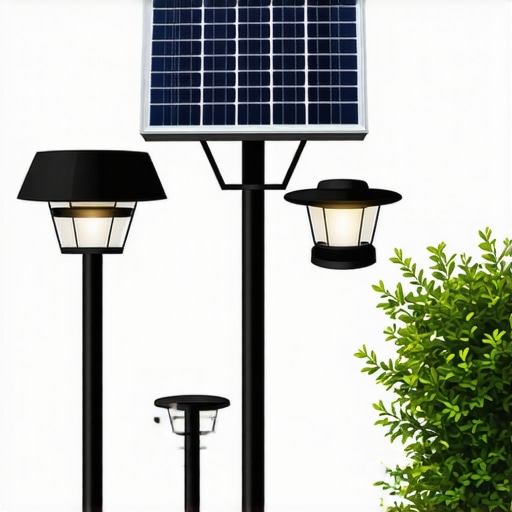
How does lighting design influence outdoor ecological balance and urban light pollution?
Thoughtfully designed outdoor lighting minimizes stray light, directs illumination precisely where needed, and prevents disruption of wildlife habitats. Dark-sky compliant fixtures and adaptive lighting controls can dramatically reduce unnecessary light spill, fostering healthier ecosystems. Cities worldwide are increasingly adopting such standards; for example, the International Dark-Sky Association advocates for lighting practices that protect nightscapes and conserve energy—benefits that resonate within residential projects aiming for sustainable development.
Exploring these innovative approaches invites homeowners and designers alike to reimagine outdoor spaces not just as aesthetic extensions but as responsible stewards of our shared environment. To uncover more strategies integrating aesthetics, efficiency, and ecological harmony, visit our in-depth articles and expert consultations tailored for visionary lighting projects.
Unlocking the Synergy Between Artistic Expression and Technological Advancement in Lighting Design
As the realm of interior and exterior illumination evolves, embracing a holistic approach that marries aesthetics with cutting-edge technology becomes imperative. Modern lighting fixtures now serve as interactive art pieces, incorporating dynamic color-changing capabilities, organic shapes, and multifunctional elements that respond to environmental cues. This integration not only elevates visual appeal but also fosters a personalized ambiance tailored to occupants’ psychological and physiological needs, resonating with the principles of biophilic design.
Can intelligent lighting systems be tailored to enhance spatial perception in complex architectural environments?
Yes, leveraging spatial mapping algorithms and adaptive light distribution allows for the creation of immersive environments that redefine spatial boundaries. For instance, utilizing LiDAR-based sensors combined with real-time rendering can simulate depth and scale, effectively manipulating perception to make spaces feel larger or cozier. Industry insights from sources like the Lighting Research Center emphasize that such sophisticated control schemes require a nuanced understanding of both human visual cognition and architectural geometry.
To harness these advanced innovations, professionals should consider investing in integrated platforms that facilitate seamless control across multiple zones—transforming ordinary spaces into dynamic environments that interact intelligently with inhabitants.
Challenging Conventions with Sustainable and Resilient Outdoor Lighting Designs
Transitioning outdoor spaces into sustainable sanctuaries necessitates a reevaluation of traditional lighting practices. Deploying solar-powered fixtures with high-efficiency LEDs, coupled with eco-friendly materials like recycled metals and biodegradable plastics, addresses ecological concerns while maintaining aesthetic integrity. Moreover, adaptive lighting that responds to natural cycles and motion detection minimizes light pollution and energy waste, aligning with global goals for ecological preservation.
How do adaptive outdoor lighting solutions influence urban biodiversity and nocturnal ecosystems?
Carefully designed adaptive lighting can significantly reduce adverse effects on wildlife by preventing light trespass and glare. The adoption of wavelength-specific LEDs ensures minimal disruption to nocturnal species, while directional fixtures prevent stray light from contaminating natural habitats. According to research from the International Dark-Sky Association, implementing such practices contributes to healthier ecosystems and promotes ecological resilience in urban settings.
Architects and urban planners must integrate these ecological principles into their lighting strategies, fostering environments that are both visually stunning and environmentally mindful.
Embracing Modular and Future-Oriented Lighting Technologies for Adaptive Living Spaces
As residential and commercial settings become increasingly adaptable, lighting solutions must be inherently modular and upgradable. Modular fixtures with plug-and-play components allow for easy reconfiguration, accommodating evolving spatial functions without significant rewiring or renovation efforts. Furthermore, embracing wireless connectivity standards like Thread or Wi-Fi 6 ensures interoperability and future scalability.
Industry leaders advocate for designing with open standards, enabling seamless integration of emerging technologies such as human-centric circadian lighting, Li-Fi data transmission, or augmented reality interfaces—heralding an era where lighting is an active participant in environmental control systems.
What are best practices to future-proof lighting infrastructure amid rapid technological advances?
Prioritizing open-source protocols, ensuring firmware update capabilities, and selecting fixtures with upgradeable components are essential strategies. Collaborations with digital ecosystem specialists and maintaining alignment with industry standards such as DALI-2 facilitate adaptability and longevity. Keeping abreast of emerging innovations through industry consortiums ensures that installations remain relevant, cost-effective, and aligned with sustainability goals.
By adopting these foresightful approaches, designers and consumers can safeguard their investments and harness the transformative potential of future-oriented lighting technologies.
Human-Centric Lighting as a Catalyst for Wellness and Productivity
At the intersection of health and design, human-centric lighting advances redefine how illumination impacts our daily lives. By calibrating light exposure to mimic natural circadian rhythms—adjusting intensity, spectrum, and timing—space users experience improved mood, cognitive function, and sleep quality. Researchers from institutions such as the Lighting Research Center underscore that integrating tunable white LEDs with intelligent control systems fosters resilient environments conducive to well-being.
How can adaptive lighting systems optimize mental health outcomes in work and living spaces?
Personalized lighting regimes that simulate natural progression of daylight help regulate hormonal balance, reducing stress and fatigue while enhancing alertness during work hours. Smart controls paired with health-monitoring devices can tailor light patterns based on individual chronotypes, facilitating better sleep and recovery. As studies in environmental psychology suggest, such adaptive environments promote resilience, reduce burnout, and improve overall life satisfaction.
Implementing these systems requires interdisciplinary collaboration among lighting designers, health professionals, and technology developers to unlock their full potential in creating supportive indoor ecosystems.
In contemporary interior design, lighting serves not only a functional purpose but also as a vital element of aesthetic expression. The integration of colorful glass shades and innovative lighting fixtures unlocks a spectrum of design possibilities that significantly influence the ambiance and character of living spaces.
Harnessing the Power of Colored Glass Shades to Elevate Home Warmth
Colorful glass shades have re-emerged as a sophisticated choice for adding warmth and personality to interiors. Their ability to diffuse light softly, coupled with vibrant hues, creates a cozy yet dynamic environment. Experts recommend pairing these shades with dimmable LED systems to fine-tune the mood, especially in relaxation zones such as living rooms and bedrooms. As highlighted by design authorities, selecting shades with textured or stained glass patterns can introduce depth and visual interest, transforming mundane lighting into artful focal points.
What are the latest innovations in colored glass technology that enhance durability and color fidelity?
Modern advancements have improved the manufacturing of colored glass, ensuring long-lasting vibrancy even under prolonged exposure to light. Techniques such as UV-resistant coatings and kiln-firing gradients sustain the aesthetic appeal, making these shades a practical yet luxurious choice.
Integrating LED Technology with Artistic Lighting Components for Functional Elegance
LED lighting has revolutionized home illumination, offering energy efficiency and versatility. When combined with decorative elements like modern lamps and hanging fixtures, designers can craft layered lighting scenes that serve both practical and aesthetic purposes. The use of tunable white LEDs further enables dynamic control over color temperature, enhancing intimate settings or energizing workspaces.
How can adjustable LED systems be optimized for individual preferences and circadian health?
Research suggests that circadian-friendly lighting, which adapts color and intensity throughout the day, supports well-being. Smart LED controls that synchronize with user routines allow homeowners to personalize environments—bright and cool in the morning, warm and subdued in the evening—fostering healthier indoor living.
Creating Inviting Terraces and Outdoor Spaces with Statement Lighting
Outdoor lighting extends the indoor ambiance into open-air settings, where fixtures like motion-sensor wall lamps and decorative garden lights serve dual roles of safety and style. Selecting weather-resistant, energy-efficient options ensures sustainability while maintaining visual appeal.
How does integrating contrasting lighting styles influence outdoor ambiance at different times of day?
Blending ambient, task, and accent lighting creates layered effects that adapt from functional pathways to enchanting evening scenes. Strategically placed uplights and colored fixtures highlight architectural features and landscape elements, transforming outdoor areas into extensions of the home’s interior style.
To explore more about blending practical lighting with aesthetic design, visit our expert guide on selecting ideal LED lighting.
,
Reimagining Ambient Lighting with Artistic Fixtures
Contemporary interior design emphasizes not only functionality but also the importance of artistic expression through lighting. Incorporating sculptural and organical designs, such as sculptural and organic light fixtures, allows homeowners to transform lighting from mere illumination to captivating art. These fixtures introduce unique silhouettes and textures that cast mesmerizing shadows, creating an immersive atmosphere in living spaces.
Can integrating organic forms in lighting fixtures influence psychological well-being and space perception?
Research demonstrates that natural, organic shapes in decor, including lighting, promote comfort and reduce stress, aligning with biophilic design principles. Such forms foster a sense of harmony, making environments more welcoming and calming. To explore how natural materials and shapes influence indoor atmospheres, visit our insights into organic lighting and its impact on mood.
Advancing Practicality: Smart Controls and Customization
Today’s lighting solutions prioritize flexibility. Smart lighting systems equipped with advanced controls enable users to tailor light intensity, color, and timing seamlessly. Leveraging devices that support circadian rhythms, such as tunable LEDs, can significantly enhance sleep quality and overall health. Implementing these innovations requires understanding user routines and space functions to develop an optimal lighting plan. For expert advice, see our comprehensive guide to choosing the right LED lighting.
How can homeowners leverage smart lighting to improve daily productivity and wellness?
Customized light settings that adapt to natural circadian cycles support better focus, mood, and sleep patterns. Integrating voice control or automation platforms simplifies this process. Studies indicate that dynamic lighting environments can lead to increased mental clarity and reduced fatigue, fostering healthier routines.
Transforming Outdoor Environments through Strategic Lighting
Exterior lighting plays a pivotal role in extending indoor style outdoors. Combining different lighting techniques—such as motion sensors, uplights, and colored fixtures—creates layered outdoor scenes that are both safe and aesthetically compelling. Proper placement and selection, especially with weatherproof solutions, ensure durability without sacrificing design integrity.
Blending ambient and accent lighting underlines architectural features and landscaping, transforming gardens and terraces into enchanting retreats. For inspiration, explore our comprehensive showcase of outdoor wall lights for 2025.
Harnessing Human-Centric Lighting for Enhanced Well-Being and Productivity
Recent advancements in lighting technology emphasize human-centric approaches, where the design fully considers circadian rhythms and psychological impacts. Integrating tunable lighting systems—capable of adjusting intensity and color temperature dynamically—can not only improve energy efficiency but significantly impact occupant health and mood. Experts advocate for the deployment of circadian lighting algorithms that adapt throughout the day, promoting alertness during work hours and relaxation in the evenings. Such innovations highlight a future where lighting is an intrinsic element of holistic well-being, transforming environments beyond mere illumination.
Could dynamic lighting systems redefine residential comfort in terms of health benefits?
Indeed, emerging research indicates that personalized lighting regimes influence hormonal balance and sleep quality. A study published in Nature and Science of Sleep demonstrated that participants exposed to blue-enriched white light during daytime experienced improved cognitive functions, while warm lighting in the evening facilitated melatonin production. This scientific validation underscores the potential of intelligent lighting systems not only as aesthetic tools but as integral elements of health optimization. For homeowners and designers alike, adopting such technology represents a proactive measure towards fostering healthier living spaces.
Designing Multifunctional Lighting for Modular and Future-Proof Spaces
As residential and commercial spaces become increasingly adaptable, so too must our lighting solutions. Modular fixtures—featuring adjustable arms, interchangeable shades, and integrated smart controls—offer unparalleled flexibility. These systems allow for rapid reconfiguration to suit changing spatial functions—from transforming a home office into a guest suite to adapting outdoor lounge areas for different seasons or occasions. Incorporating wireless connectivity and centralized control hubs ensures that users can effortlessly tailor their environments with a few taps or voice commands, extending the lifespan and relevance of their lighting investments.
What are the best practices for future-proofing lighting infrastructure amid rapid technological evolution?
Industry standards such as the Zigbee or Z-Wave protocols enable interoperability among diverse devices, ensuring seamless upgrades. Moreover, choosing fixtures with updateable firmware and modular components guards against obsolescence. Collaborating with certified integrators who stay abreast of the latest innovations assures that installations remain compatible with emerging technologies, including Li-Fi or human-centric lighting advances. Staying engaged with lighting innovation communities and manufacturers’ roadmap announcements also empowers consumers to anticipate upcoming trends and adapt accordingly.
For those eager to harness the true potential of their lighting schemes, exploring customizable, scalable solutions is essential. Dive deeper into how integrated lighting systems can create harmonious, adaptable environments tailored to your unique needs—our comprehensive guide offers insights that bridge design, technology, and health.
Bridging Aesthetics and Sustainability Through Advanced Outdoor Lighting
Implementing eco-conscious outdoor lighting solutions extends beyond energy savings; it fosters ecological harmony and enhances biodiversity. Solar-powered fixtures with integrated motion sensors not only reduce energy consumption but minimize light pollution, safeguarding nocturnal ecosystems. Furthermore, selecting fixtures with recyclable materials and low-impact manufacturing processes aligns outdoor design with sustainable principles. By combining these elements with strategic placement—highlighting native flora or architectural features—architects and homeowners can craft outdoor environments that are both enchanting and environmentally responsible.
How does lighting design influence outdoor ecological balance and urban light pollution?
Thoughtfully designed outdoor lighting minimizes stray light, directs illumination precisely where needed, and prevents disruption of wildlife habitats. Dark-sky compliant fixtures and adaptive lighting controls can dramatically reduce unnecessary light spill, fostering healthier ecosystems. Cities worldwide are increasingly adopting such standards; for example, the International Dark-Sky Association advocates for lighting practices that protect nightscapes and conserve energy—benefits that resonate within residential projects aiming for sustainable development.
Exploring these innovative approaches invites homeowners and designers alike to reimagine outdoor spaces not just as aesthetic extensions but as responsible stewards of our shared environment. To uncover more strategies integrating aesthetics, efficiency, and ecological harmony, visit our in-depth articles and expert consultations tailored for visionary lighting projects.
Unlocking the Synergy Between Artistic Expression and Technological Advancement in Lighting Design
As the realm of interior and exterior illumination evolves, embracing a holistic approach that marries aesthetics with cutting-edge technology becomes imperative. Modern lighting fixtures now serve as interactive art pieces, incorporating dynamic color-changing capabilities, organic shapes, and multifunctional elements that respond to environmental cues. This integration not only elevates visual appeal but also fosters a personalized ambiance tailored to occupants’ psychological and physiological needs, resonating with the principles of biophilic design.
Can intelligent lighting systems be tailored to enhance spatial perception in complex architectural environments?
Yes, leveraging spatial mapping algorithms and adaptive light distribution allows for the creation of immersive environments that redefine spatial boundaries. For instance, utilizing LiDAR-based sensors combined with real-time rendering can simulate depth and scale, effectively manipulating perception to make spaces feel larger or cozier. Industry insights from sources like the Lighting Research Center emphasize that such sophisticated control schemes require a nuanced understanding of both human visual cognition and architectural geometry.
To harness these advanced innovations, professionals should consider investing in integrated platforms that facilitate seamless control across multiple zones—transforming ordinary spaces into dynamic environments that interact intelligently with inhabitants.
Challenging Conventions with Sustainable and Resilient Outdoor Lighting Designs
Transitioning outdoor spaces into sustainable sanctuaries necessitates a re-evaluation of traditional lighting practices. Deploying solar-powered fixtures with high-efficiency LEDs, coupled with eco-friendly materials like recycled metals and biodegradable plastics, addresses ecological concerns while maintaining aesthetic integrity. Moreover, adaptive lighting that responds to natural cycles and motion detection minimizes light pollution and energy waste, aligning with global goals for ecological preservation.
How do adaptive outdoor lighting solutions influence urban biodiversity and nocturnal ecosystems?
Carefully designed adaptive lighting can significantly reduce adverse effects on wildlife by preventing light trespass and glare. The adoption of wavelength-specific LEDs ensures minimal disruption to nocturnal species, while directional fixtures prevent stray light from contaminating natural habitats. According to research from the International Dark-Sky Association, implementing such practices contributes to healthier ecosystems and promotes ecological resilience in urban settings.
Architects and urban planners must integrate these ecological principles into their lighting strategies, fostering environments that are both visually stunning and environmentally mindful.
Embracing Modular and Future-Oriented Lighting Technologies for Adaptive Living Spaces
As residential and commercial settings become increasingly adaptable, lighting solutions must be inherently modular and upgradable. Modular fixtures with plug-and-play components allow for easy reconfiguration, accommodating evolving spatial functions without significant rewiring or renovation efforts. Furthermore, embracing wireless connectivity standards like Thread or Wi-Fi 6 ensures interoperability and future scalability.
Industry leaders advocate for designing with open standards, enabling seamless integration of emerging technologies such as human-centric circadian lighting, Li-Fi data transmission, or augmented reality interfaces—heralding an era where lighting is an active participant in environmental control systems.
What are best practices to future-proof lighting infrastructure amid rapid technological advances?
Prioritizing open-source protocols, ensuring firmware update capabilities, and selecting fixtures with upgradeable components are essential strategies. Collaborations with digital ecosystem specialists and maintaining alignment with industry standards such as DALI-2 facilitate adaptability and longevity. Keeping abreast of emerging innovations through industry consortiums ensures that installations remain relevant, cost-effective, and aligned with sustainability goals.
By adopting these foresightful approaches, designers and consumers can safeguard their investments and harness the transformative potential of future-oriented lighting technologies.
Human-Centric Lighting as a Catalyst for Wellness and Productivity
At the intersection of health and design, human-centric lighting advances redefine how illumination impacts our daily lives. By calibrating light exposure to mimic natural circadian rhythms—adjusting intensity, spectrum, and timing—space users experience improved mood, cognitive function, and sleep quality. Researchers from institutions such as the Lighting Research Center underscore that integrating tunable white LEDs with intelligent control systems fosters resilient environments conducive to well-being.
How can adaptive lighting systems optimize mental health outcomes in work and living spaces?
Personalized lighting regimes that simulate natural progression of daylight help regulate hormonal balance, reducing stress and fatigue while enhancing alertness during work hours. Smart controls paired with health-monitoring devices can tailor light patterns based on individual chronotypes, facilitating better sleep and recovery. As studies in environmental psychology suggest, such adaptive environments promote resilience, reduce burnout, and improve overall life satisfaction.
Implementing these systems requires interdisciplinary collaboration among lighting designers, health professionals, and technology developers to unlock their full potential in creating supportive indoor ecosystems.
Designing Multifunctional Lighting for Modular and Future-Proof Spaces
As residential and commercial spaces become increasingly adaptable, lighting solutions must be inherently modular and upgradable. Modular fixtures with plug-and-play components allow for easy reconfiguration, accommodating evolving spatial functions without significant rewiring or renovation efforts. These systems integrate seamlessly with smart home ecosystems, enabling remote control and automation, essential for future-proof environments.
Incorporating wireless standards like Zigbee and Z-Wave ensures interoperability across devices, while selecting fixtures with firmware update capabilities guards against technological obsolescence. Collaborating with certified specialists guarantees optimized, sustainable installations that evolve with your lifestyle or business needs.
What strategies can ensure your lighting investments stand the test of rapid technological change?
Focus on open standards, modular components, and updateable firmware, coupled with ongoing engagement with industry developments. Building flexible control systems that adapt to emerging technologies like Li-Fi or human-centric lighting approaches empowers your space to stay ahead and maximize ROI.
Prioritizing Human-Centric Approaches to Improve Daily Life
As the understanding of lighting’s influence on health deepens, adopting circadian-aligned lighting becomes essential. Naturally-tuned light spectra can enhance daytime alertness and evening relaxation, supporting mental acuity and sleep quality. Integrating intelligent control systems that adjust dynamically throughout the day fosters environments where well-being is central to design.
By weaving advanced human-centric lighting into every facet of your interior and exterior designs, you create spaces that resonate on a profoundly personal level, promoting healthier lifestyles and elevating everyday experiences.